How Generic Drugs Are Made: The Full Manufacturing Process Explained
Generic drugs make up 90% of U.S. prescriptions and save billions annually. Learn how they're made, tested, and approved to match brand-name drugs - without the high cost.
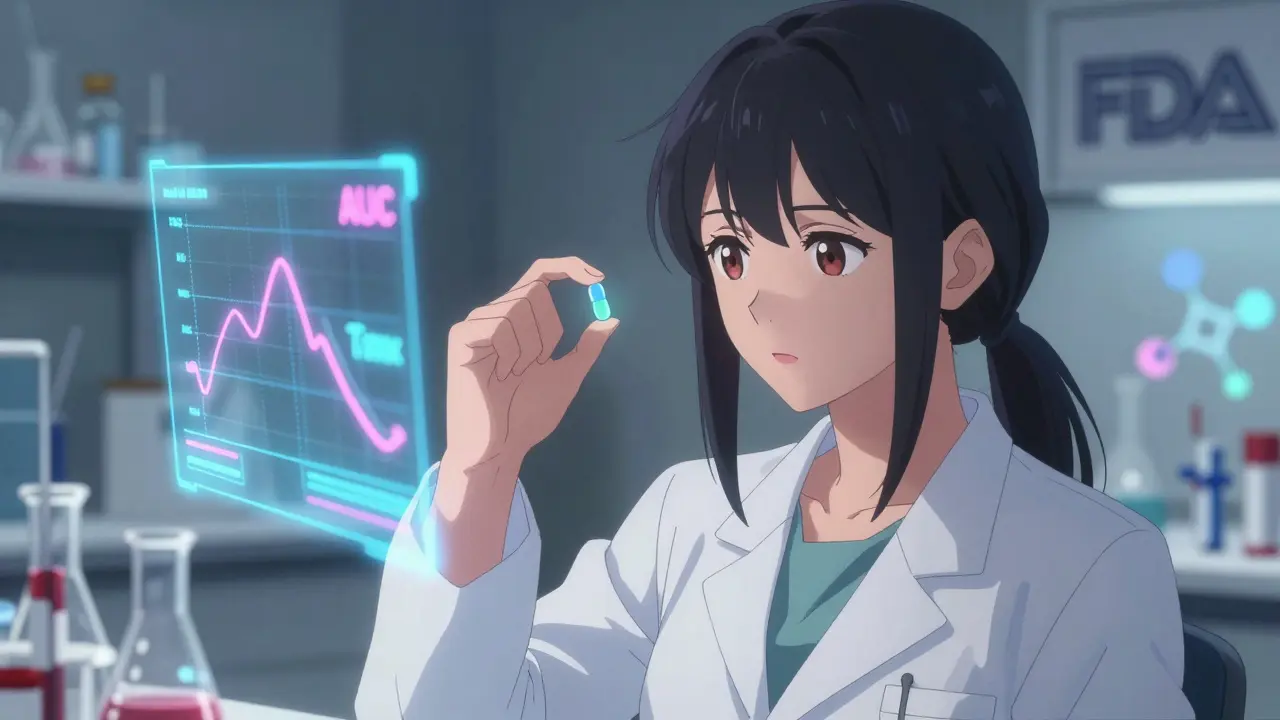
Bioavailability studies ensure generic drugs are absorbed the same way as brand-name versions. The FDA uses AUC and Cmax measurements to confirm equivalence, allowing safe, low-cost alternatives without clinical trials.
Generic drugs are just as safe and effective as brand-name drugs but cost up to 85% less. Learn how the FDA ensures they work the same, why prices differ, and when to stick with brand-name versions.
Learn how bioavailability and bioequivalence determine if generic drugs work as well as brand-name versions. Understand the science behind generic approval, the 80/125 rule, and why most generics are just as effective.
The Hatch-Waxman Act of 1984 created the legal framework that made generic drugs possible in the U.S., cutting costs by up to 90% and boosting access to affordable medicine. Here's how it works-and why it still matters today.
Bioequivalence testing for combination products like FDCs, topical creams, and inhalers faces unique challenges due to drug interactions, delivery complexity, and inconsistent regulatory standards-delaying affordable generics and increasing costs for patients and manufacturers.
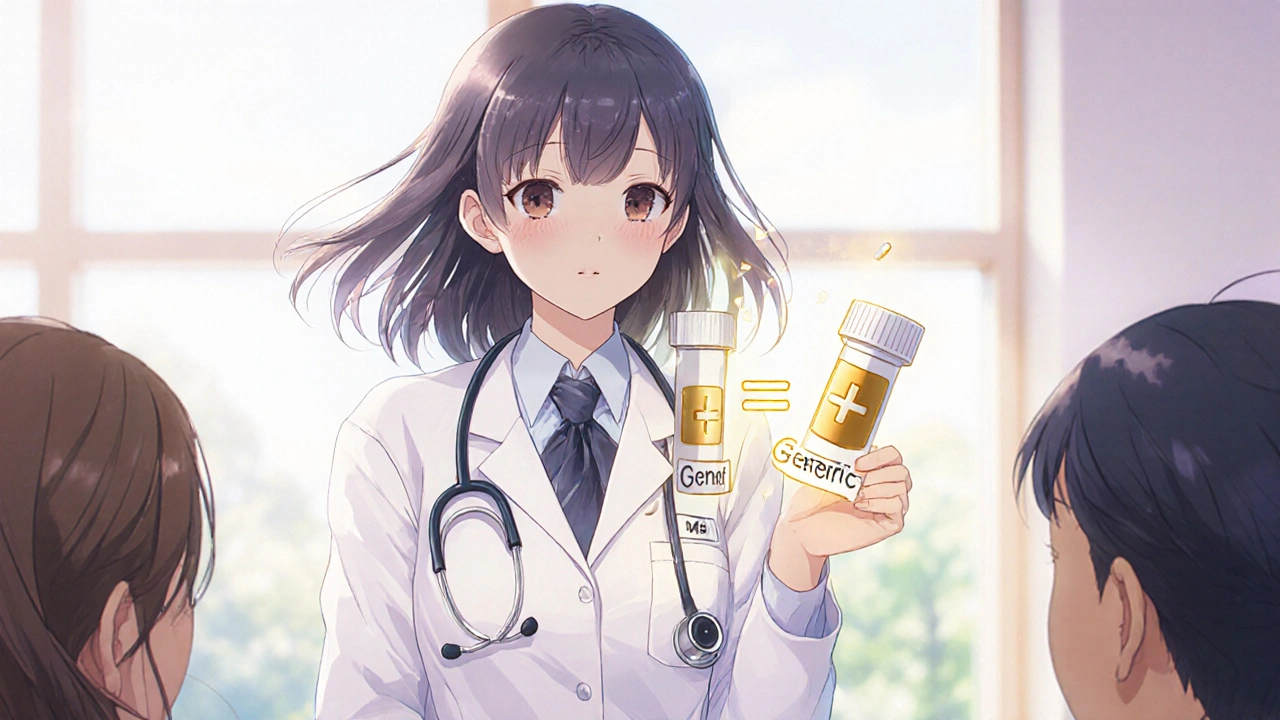
Doctors prescribe generics most of the time-but many don’t fully understand why they’re safe. Medical schools rarely teach bioequivalence, leaving providers unsure how to explain it to patients. Here’s what actually works.
Learn how provider education on generic drugs improves prescribing confidence, reduces patient skepticism, and cuts healthcare costs. Discover what clinicians need to know-and how to do it right.