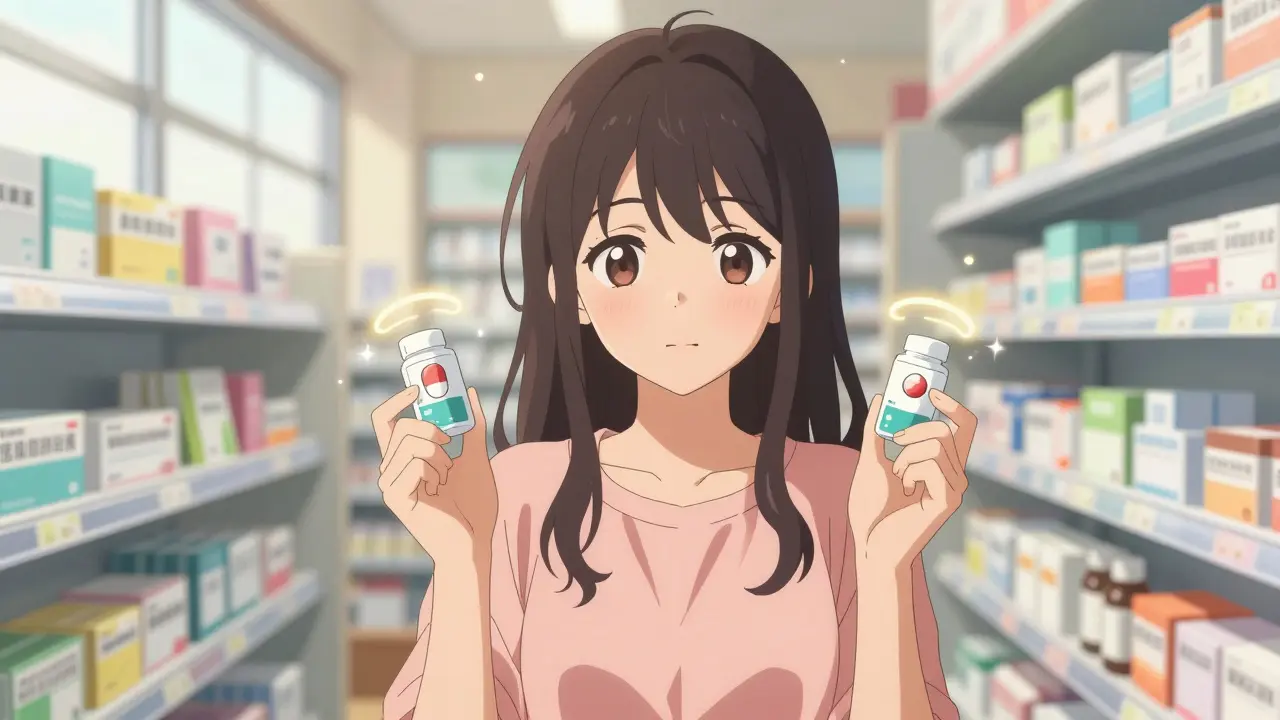
Every year, Americans fill over 6 billion prescriptions. Nine out of ten of those are generic drugs. Yet, many people still wonder: are they really the same as the brand-name version sitting on the pharmacy shelf? The answer isn’t just yes - it’s backed by science, regulation, and billions in savings. Generic drugs aren’t cheap knockoffs. They’re exact copies in every way that matters: same active ingredient, same strength, same way your body absorbs it. The only real difference? The price. And sometimes, the color. The FDA requires generic manufacturers to prove their drug delivers the same amount of medicine into your bloodstream at the same speed as the brand-name version. That’s called bioequivalence. The acceptable range? 80% to 125% - meaning your body gets nearly identical exposure. For drugs where small changes matter - like blood thinners or thyroid meds - the FDA tightens that range to 90% to 111%. So why do generics cost 80% to 85% less? Because they don’t pay for the original research. Brand-name companies spend over $2 billion and a decade on clinical trials before their drug even hits the market. Generics skip that. They only need to prove they work the same way. No need to retest safety or effectiveness. That’s why a 30-day supply of brand-name Lipitor might cost $150, while generic atorvastatin runs $12. You might notice the pill looks different. That’s not a flaw - it’s the law. U.S. trademark rules forbid generics from looking exactly like the brand version. So the shape, color, or flavor might change. But the active ingredient? Identical. The inactive ingredients - like fillers or dyes - might differ, but they’re still FDA-approved and safe. Some people swear they feel different on a generic. A Reddit thread with 147 comments found 86% reported zero difference between brand and generic versions of common meds like lisinopril or metformin. But 14% said they noticed issues - especially with seizure meds like lamotrigine or thyroid meds like levothyroxine. That’s not because generics are weaker. It’s because these drugs have a narrow therapeutic index. Tiny changes in blood levels can affect how well they work. For those, doctors often recommend sticking with one version - brand or generic - to keep levels stable. The FDA doesn’t treat generics as second-class drugs. They inspect the same factories, enforce the same standards, and monitor side effects just as closely. In fact, many brand-name companies make their own generics. Pfizer, Novartis, and others run generic divisions. The difference isn’t quality - it’s cost structure. State laws make it even easier to save. In 49 states, pharmacists are required to swap a brand-name drug for the generic unless the doctor writes “dispense as written.” That means unless you ask otherwise, you’re getting the cheaper version. And most people are fine with it. A 2023 Pharmacy Times survey showed 92% of patients prefer generics when available - mainly because they save an average of $56 per prescription. There’s one big catch: not every drug has a generic. About 30% of brand-name medications still don’t have a generic alternative. Why? Patents. Brand-name drugs get 20 years of patent protection from the date they’re filed. But because clinical trials take years, most drugs only enjoy 12 to 14 years of market exclusivity. After that, generics can enter. But some companies use tricks - like tweaking the pill’s coating or delivery system - to extend their monopoly. That’s called “evergreening.” The FDA is cracking down, but it’s still happening. The biggest winners? People on long-term meds. If you take a pill every day for high blood pressure, diabetes, or cholesterol, switching to generic can save you thousands over five years. The U.S. healthcare system saved $1.67 trillion from 2007 to 2016 thanks to generics. That’s $253 billion a year - money that goes back into people’s pockets and keeps insurance premiums lower. For complex drugs - like inhalers, injectables, or topical creams - generics are harder to make. These are called “complex generics.” The FDA has identified over 150 opportunities where developing a generic could cut costs dramatically. Right now, only a few exist. But that’s changing. New rules under the Generic Drug User Fee Amendments (GDUFA) III aim to cut approval times from 30 months to 10 months by 2027. More generics are coming. And what about biosimilars? Those are the generic versions of biologic drugs - like Humira or Enbrel. They’re not exact copies because biologics are made from living cells, not chemicals. But they’re proven to work the same. The first biosimilar was approved in 2015. Now, dozens are on the market, and prices are falling. So should you always choose generic? For most people, yes. Unless you’ve had a bad reaction to a specific generic version, or your doctor advises against it, there’s no medical reason to pay more. The FDA says it clearly: “Generic drugs are just as safe and effective as brand-name drugs.” If you’re switching from brand to generic, keep a list of what you’re taking - both brand and generic names. That way, if your prescription changes, you won’t get confused. And if you ever feel something’s off after switching, talk to your pharmacist or doctor. Don’t assume it’s the generic. Sometimes, it’s just your body adjusting. The bottom line? Generic drugs are not a compromise. They’re the smart, proven, safe choice. They’ve been used by millions for decades. And they’ve saved more lives - and more money - than almost any other innovation in modern medicine.

Comments (9)
henry mateo
man i switched my blood pressure med to generic last year and honestly forgot i even did it until i saw the receipt. saved me like 70 bucks a month. no weird side effects, no headaches, just... same thing. kinda wild how we still doubt these things.
Kunal Karakoti
the real question isn't whether generics work-it's why we've been conditioned to equate price with value. if a pill saves your life, does it matter if it costs $12 or $150? capitalism turned medicine into a status symbol, and we're still buying the branding.
Kelly Gerrard
GENERIC IS BETTER. SAVE MONEY. STOP BEING A SPOILED BRAT. THE FDA SAYS ITS THE SAME. YOU WONT DIE. END OF STORY.
Glendon Cone
just had to say this-i love how the FDA is basically the unsung hero here. 🙌 same inspections, same standards, same factories sometimes. and now they’re cutting approval times to 10 months? that’s a win for everyone. also, yes, the color change is weird at first. i stared at my new levothyroxine pill like it betrayed me. then i took it. and lived. 😅
Aayush Khandelwal
the pharmacokinetic equivalence window of 80–125% is statistically robust, but for drugs with narrow therapeutic indices-like warfarin or phenytoin-the inter-individual variability in CYP450 metabolism can still trigger subtherapeutic or toxic exposure even within FDA thresholds. hence, the anecdotal reports aren't noise-they're pharmacogenomic signal.
Sandeep Mishra
for anyone nervous about switching-start with something simple like metformin or lisinopril. if your body reacts fine, you’re golden. if you’re on something like lamotrigine or levothyroxine, keep a journal. note your energy, mood, sleep. small changes matter. and hey-your pharmacist knows more than you think. ask them. they’re not just the person who hands you the bottle.
Hayley Ash
oh wow a whole essay about generics being fine. who knew the government didn't want us to go broke? shocking. next you'll tell me the sun rises in the east and water is wet. also, i tried a generic thyroid med once. my heart raced for three days. guess what? i'm not dumb enough to take that risk again. thanks for the lecture though
kelly tracy
you people are so naive. the FDA is a joke. they approve generics based on data from companies that also make the brand versions. same labs. same contractors. same executives. and you think the color change is just a trademark thing? it's to trick you into thinking it's different so you'll panic and pay more. i’ve seen the documents. this is corporate theater.
srishti Jain
my mom took generic lipitor for 5 years. then switched back to brand. said she "felt better." didn't change anything else. guess what? she's delusional. but hey, if paying $150 makes her happy, fine. waste your money. i'll take mine for $12 and not cry about it.