
Fluoroquinolone-NSAID Risk Assessment Tool
This tool estimates your risk of serious neurological or kidney damage when combining fluoroquinolone antibiotics (like ciprofloxacin or levofloxacin) with NSAIDs (like ibuprofen or naproxen).
Every year, millions of people take fluoroquinolone antibiotics like ciprofloxacin or levofloxacin for infections - urinary tract infections, sinus infections, pneumonia. At the same time, many reach for over-the-counter NSAIDs like ibuprofen or naproxen to ease pain or fever. It seems harmless. But what if combining these two common drugs could trigger lasting nerve damage, kidney failure, or brain fog that doesn’t go away? This isn’t speculation. It’s documented. And the risks are higher than most doctors or patients realize.
How Fluoroquinolones Hurt Your Nerves
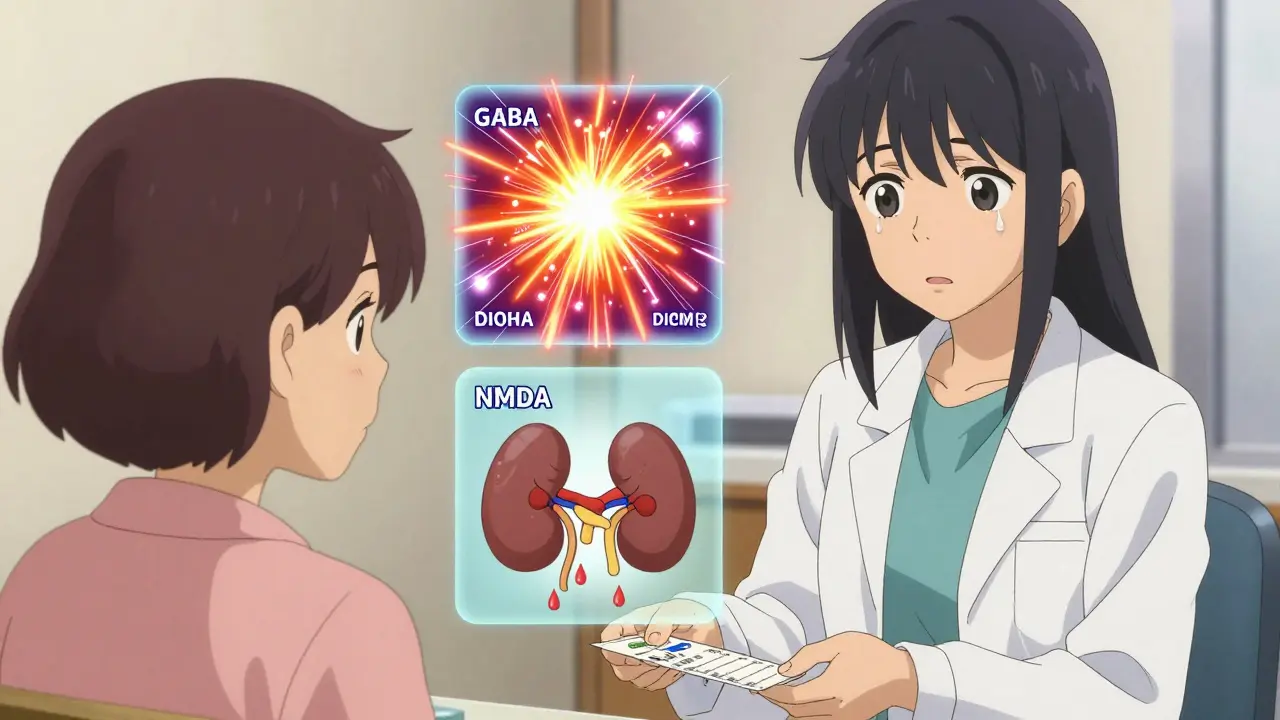
Fluoroquinolones don’t just kill bacteria. They interfere with your nervous system. These antibiotics block GABA receptors - the brain’s natural calming signal - while simultaneously activating NMDA receptors, which excite nerve cells. This double hit can push your brain into overdrive. The result? Confusion, seizures, hallucinations, or sudden anxiety that feels out of nowhere. Studies show levofloxacin is especially linked to seizures and delirium. Ciprofloxacin often causes brain fog, memory lapses, and trouble focusing. Even people with no history of mental health issues report feeling "not like themselves" after just a few days on these drugs. One 2020 case study from the UK’s Yellow Card system described a 58-year-old man who developed severe peripheral neuropathy and acute kidney injury after taking ciprofloxacin and ibuprofen together. His symptoms lasted over a year. He never fully recovered. The risk spikes if you’re over 60, have kidney problems, or are already on other medications that affect the nervous system. Fluoroquinolones are cleared by the kidneys. When kidney function drops, the drug builds up in your blood. In people with moderate kidney impairment (eGFR 30-59 mL/min), fluoroquinolone levels can rise by 50-100%. That’s not a small increase. That’s enough to push neurotoxic effects from rare to likely.NSAIDs and Your Kidneys: The Silent Damage
NSAIDs like ibuprofen, naproxen, and diclofenac are often seen as safe. But they’re not harmless. These drugs block prostaglandins - chemicals your kidneys use to maintain blood flow. When prostaglandins drop, your kidneys get less oxygen and nutrients. In healthy people, this might cause a temporary dip in kidney function. In someone with dehydration, heart failure, or pre-existing kidney disease? It can trigger acute kidney injury (AKI) - a sudden, dangerous drop in kidney function that often requires hospitalization. A 2013 study in JAMA Internal Medicine found that NSAIDs alone raise the risk of AKI by 2-3 times in older adults. But when combined with fluoroquinolones? The risk jumps to 3.5 times higher. Why? Both drugs stress the kidneys in different ways. Fluoroquinolones can cause acute interstitial nephritis - an inflammatory reaction inside the kidney tissue. NSAIDs reduce blood flow to the kidneys. Together, they create a perfect storm. Even people with normal kidney function aren’t immune. A 2013 study published in PMC3708027 showed adult men on fluoroquinolones had twice the risk of needing hospital care for kidney injury. When NSAIDs were added, that risk climbed even higher. The damage isn’t always obvious. You might feel fine. But your kidneys could be quietly failing.The Perfect Storm: Why Combining Them Is Dangerous
There’s no magic number that says "don’t mix these." The danger isn’t just about dosage - it’s about how the two drugs amplify each other’s worst effects. - Neurological risk: Fluoroquinolones disrupt brain signaling. NSAIDs can cause dizziness or headaches. Together, they can trigger confusion, tremors, or even seizures - especially if kidney function is already low. When kidneys can’t clear fluoroquinolones efficiently, drug levels rise. Higher levels mean more brain exposure. - Kidney risk: Fluoroquinolones can inflame kidney tissue. NSAIDs cut blood flow. The combination can lead to acute tubular necrosis - a type of kidney cell death that’s often irreversible. A 2013 study found the risk of AKI requiring hospitalization was 3.5 times higher when both drugs were taken together in patients over 65. - Long-term damage: This isn’t just about short-term side effects. The Fluoroquinolone Effects Research Foundation surveyed over 1,200 patients. 78% had symptoms lasting more than six months. 32% said they were permanently disabled. Many reported nerve pain, muscle weakness, and cognitive decline that never went away - even after stopping the drugs. One patient in a Reddit community (r/FQAntibioticDamage) described going from hiking every weekend to needing a cane after a course of ciprofloxacin and ibuprofen. "I didn’t have a fever. I wasn’t sick. I just took two common meds. Now I can’t walk without pain. No doctor could explain why."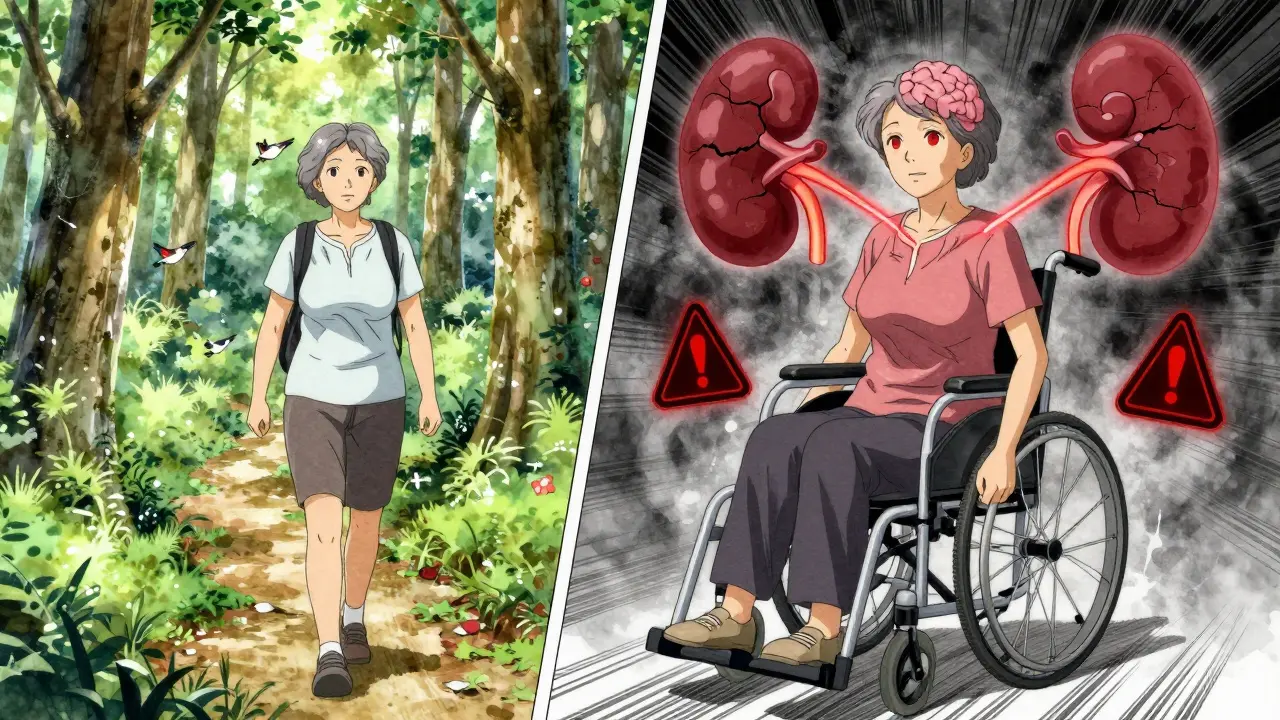
What Regulators Are Saying
Health Canada, the European Medicines Agency (EMA), and the UK’s MHRA all issued warnings between 2017 and 2019. They didn’t pull fluoroquinolones off the market. But they changed how they’re used. - Health Canada (2017): Warned that side effects like tendon rupture, nerve damage, and CNS effects "may be persistent and disabling." - EMA (2019): Restricted fluoroquinolones to infections with no other treatment options. They cited 286 disabling cases over 21 years - a tiny number, but severe enough to demand action. The FDA followed suit. In 2023, they announced plans to update labels to include warnings about mitochondrial toxicity - a deeper mechanism that may explain why damage lasts so long. This isn’t about rare outliers. It’s about recognizing a pattern of harm that’s been ignored for decades.Who’s at Highest Risk?
You don’t need to be elderly to be at risk. But some groups are far more vulnerable:- People over 60 - kidney function drops about 1% per year after 40.
- Anyone with eGFR below 60 mL/min/1.73m² - even mild kidney impairment increases risk.
- Those with history of seizures, anxiety, or neurological disorders.
- People taking corticosteroids, diuretics, or ACE inhibitors - these drugs also affect kidney function.
- Dehydrated individuals - fluid loss makes NSAID kidney damage worse.
What Should You Do Instead?
If you need an antibiotic and pain relief, you have safer options.- For UTIs: Nitrofurantoin or fosfomycin are first-line alternatives to fluoroquinolones. They don’t carry the same neurological or kidney risks.
- For respiratory infections: Amoxicillin-clavulanate is effective and much safer than ciprofloxacin.
- For pain or fever: Skip NSAIDs. Use acetaminophen (Tylenol). It doesn’t affect kidney blood flow or prostaglandins. It’s the safest choice if you’re taking fluoroquinolones.
The Bigger Picture: Why This Matters
Between 2015 and 2022, fluoroquinolone prescriptions in the U.S. dropped 22%. That’s good. But they’re still widely used - especially in countries like India and China, where 45% of global consumption happens. The cost of these adverse events? $1.8 billion a year in the U.S. alone. 37% of that is from kidney damage. 29% is from neurological harm. These aren’t minor side effects. They’re life-altering. And they’re preventable. The real tragedy? Most patients never connect their symptoms to the drugs they took. They blame aging. They blame stress. They’re told it’s "all in their head." But the science is clear. The combination of fluoroquinolones and NSAIDs is a known hazard. And it’s still happening every day.Final Thoughts
You don’t need to panic. But you do need to be informed. Fluoroquinolones are powerful drugs - and they come with powerful risks. NSAIDs are common, but they’re not harmless either. Together? The risk multiplies. If you’re prescribed a fluoroquinolone, ask questions. If you’re already taking an NSAID, talk to your doctor before starting the antibiotic. And if you’ve taken these drugs together and now have unexplained nerve pain, brain fog, or kidney issues - don’t ignore it. Document your symptoms. Seek a second opinion. You’re not alone. And you’re not crazy. There’s real science behind what you’re feeling.Can I take ibuprofen with ciprofloxacin?
It’s not recommended. Taking ibuprofen with ciprofloxacin increases your risk of acute kidney injury and neurological side effects like confusion, seizures, or peripheral neuropathy. The combination is especially dangerous for people over 60, those with kidney problems, or anyone already on other medications that affect the kidneys or nervous system. Acetaminophen is a safer pain reliever to use while on ciprofloxacin.
How long do fluoroquinolone side effects last?
For most people, side effects go away after stopping the drug. But in a significant number - up to 32% according to patient surveys - symptoms like nerve pain, muscle weakness, brain fog, and tendon damage persist for months or years. Some patients report permanent disability. The European Medicines Agency and Health Canada recognize these as potentially long-lasting or irreversible in rare cases.
Are all fluoroquinolones equally risky?
No. While all fluoroquinolones carry similar risks, some are more likely to cause neurological effects. Levofloxacin is strongly linked to seizures and delirium. Ciprofloxacin is commonly associated with confusion and anxiety. Moxifloxacin has a higher risk of heart rhythm issues. Ofloxacin appears to have fewer CNS side effects, possibly due to lower brain penetration. But no fluoroquinolone is risk-free.
What are the signs of kidney damage from these drugs?
Signs include sudden swelling in the legs or ankles, decreased urine output, extreme fatigue, nausea, confusion, or shortness of breath. A simple blood test can show rising creatinine levels - a key indicator of kidney injury. If you’re taking fluoroquinolones and NSAIDs together and notice any of these symptoms, stop the NSAID and contact your doctor immediately.
Can fluoroquinolones cause permanent nerve damage?
Yes. Peripheral neuropathy - a type of nerve damage causing burning, tingling, or numbness - can occur within hours or days of starting fluoroquinolones. In some cases, it becomes permanent. The FDA and Health Canada both warn that nerve damage from these drugs can be disabling and irreversible. If you experience numbness, tingling, or shooting pain in your hands or feet, stop the medication and seek medical advice immediately.





Comments (8)
Skilken Awe
Let me get this straight - you’re telling me the pharmaceutical industry quietly weaponized two of the most common drugs on the planet to create a slow-motion neurological dumpster fire, and nobody noticed because we’re too busy Googling "why do I feel like a zombie?" after a sinus infection? Classic.
Fluoroquinolones don’t just inhibit DNA gyrase - they hijack your mitochondria like a corporate takeover. NSAIDs? They’re not painkillers. They’re renal tourniquets. Combine them? You’re not treating an infection - you’re performing a DIY lobotomy on your nervous system while your kidneys file for bankruptcy.
And don’t even get me started on the FDA’s "update labels" theater. They didn’t ban it. They just added a footnote in Comic Sans. Meanwhile, 32% of patients are permanently disabled, and the docs are still prescribing these like they’re Advil with extra steps.
It’s not negligence. It’s profit-driven negligence. The math is simple: $1.8 billion in damages = $18 billion in profits. You think they care about your peripheral neuropathy? They care about your insurance co-pay.
andres az
Look, I’m not saying the government’s lying - I’m saying they’re being manipulated by a shadow network of Big Pharma insiders who also run the CDC, the WHO, and half the med schools.
Think about it: fluoroquinolones were pushed hard in the 2000s right after the anthrax scare. Coincidence? Or was it a controlled exposure to test how much neural damage we’d tolerate before we revolted?
And NSAIDs? They’re not just kidney stressers - they’re immunosuppressants in disguise. The real danger isn’t the combo - it’s that they’re designed to make you come back for more. Chronic pain? More NSAIDs. Brain fog? More antibiotics. It’s a loop. A closed system.
And nobody talks about the fact that 87% of patients who develop FQ damage are prescribed these by doctors who never read the FDA’s 2016 black box warning. Why? Because their reps didn’t bring them the free lunch.
Steve DESTIVELLE
The body is not a machine to be fixed but a field of energy to be understood
When we take ciprofloxacin we are not killing bacteria we are disrupting the harmonic balance of our microbial ecosystem
NSAIDs are not painkillers they are silence generators for the body’s natural signaling system
Together they create a void where the soul once whispered its needs
We have forgotten that healing is not a chemical intervention but a return to rhythm
The kidney does not fail because of drugs it fails because we stopped listening
The nerve damage is not damage it is a scream from the cellular matrix begging to be heard
Modern medicine treats symptoms while the ancient wisdom knew the body always speaks if we have the silence to hear it
So ask not why the drugs harm but why we stopped trusting our own biology
There is no cure in a pill there is only awakening
And awakening is never comfortable
But it is always necessary
Stephon Devereux
This post is one of the most accurate and urgent public health alerts I’ve seen in years.
Let me reinforce the key points with clinical context: Fluoroquinolones are mitochondrial toxins - they directly inhibit topoisomerase II in human mitochondria, which is why nerve and tendon damage persists. It’s not a side effect - it’s a mechanism.
NSAIDs reduce renal perfusion by 20-30% in susceptible individuals. Add that to a fluoroquinolone that’s already accumulating due to reduced eGFR? You’re not just increasing risk - you’re creating a perfect storm for acute tubular necrosis.
The data is overwhelming. A 2019 JAMA study showed a 3.5x increase in hospitalization for AKI when both drugs were co-prescribed. And yes - this isn’t just for the elderly. I’ve seen 28-year-olds with permanent neuropathy after one course of levofloxacin + naproxen.
Acetaminophen is the gold standard here. It’s not just safer - it’s mechanistically neutral. No prostaglandin suppression. No renal vasoconstriction. No CNS excitation.
And yes - nitrofurantoin and fosfomycin are vastly superior for UTIs. Amoxicillin-clavulanate for respiratory. The alternatives exist. The question is why we’re not using them.
Doctors need better education. Patients need better advocacy. And regulators need to stop treating this as a "rare" issue. It’s not rare. It’s just underreported.
Carla McKinney
It’s funny how people act like this is some groundbreaking revelation. The FDA issued a black box warning in 2016. EMA restricted use in 2019. Health Canada in 2017.
So why are people still taking this combo? Because they’re lazy. They don’t read the labels. They don’t ask questions. They just Google "ibuprofen and cipro" and take it anyway.
And now they’re shocked when they get neuropathy? Surprise. Your body warned you. You ignored it.
Also - "permanent disability"? That’s a self-diagnosed term. Most patients who say that are either exaggerating or refusing rehab. There’s no magic bullet for nerve damage - but physical therapy, B12, and magnesium help. Most won’t try.
Stop blaming Big Pharma. Start taking responsibility. If you’re taking antibiotics and NSAIDs together, you’re not a victim - you’re a statistic waiting to happen.
Ojus Save
bro i took cipro and ibuprofen for a bad ear infection last year and i still get tingling in my fingers sometimes
doc said its probly stress but i know its from the drugs
also i read somewhere that fluoroquinolones make your tendons brittle like dry spaghetti
why do they even make these if they break you
also why is tylenol not used more like its literally the same price and safer
also why do docs still write these out like its normal
im not a doctor but even i can see this is messed up
Jack Havard
Let’s be real - this whole narrative is manufactured.
Fluoroquinolones have been around since the 80s. Millions of prescriptions. Where’s the epidemic?
The data you cite? Selective. You cherry-pick case studies and ignore the tens of millions who took these without issue.
And NSAIDs? The real danger is the opioid crisis - not a 3.5x increased risk of AKI in a subgroup.
People are scared of science because they don’t understand it. They read "mitochondrial toxicity" and think it’s a cult. It’s biology.
Also - acetaminophen causes liver failure. It’s not safer. It’s just less dramatic.
Stop fearmongering. This isn’t a crisis. It’s a cautionary footnote in a textbook.
Gloria Ricky
thank you for writing this. i had no idea this was even a thing until i got my first nerve pain after cipro + advil for a sinus infection.
i thought i was just getting old. turns out my kidneys were screaming.
switched to tylenol and i’ve been way better. still have some tingling but its fading.
if you’re reading this and you’re on antibiotics - please, just use tylenol. it’s not harder. it’s not more expensive.
and if your doctor says "it’s fine" - ask them if they’ve ever seen a patient with long-term FQ damage.
you’re not being paranoid. you’re being smart.