What makes an online pharmacy legitimate?
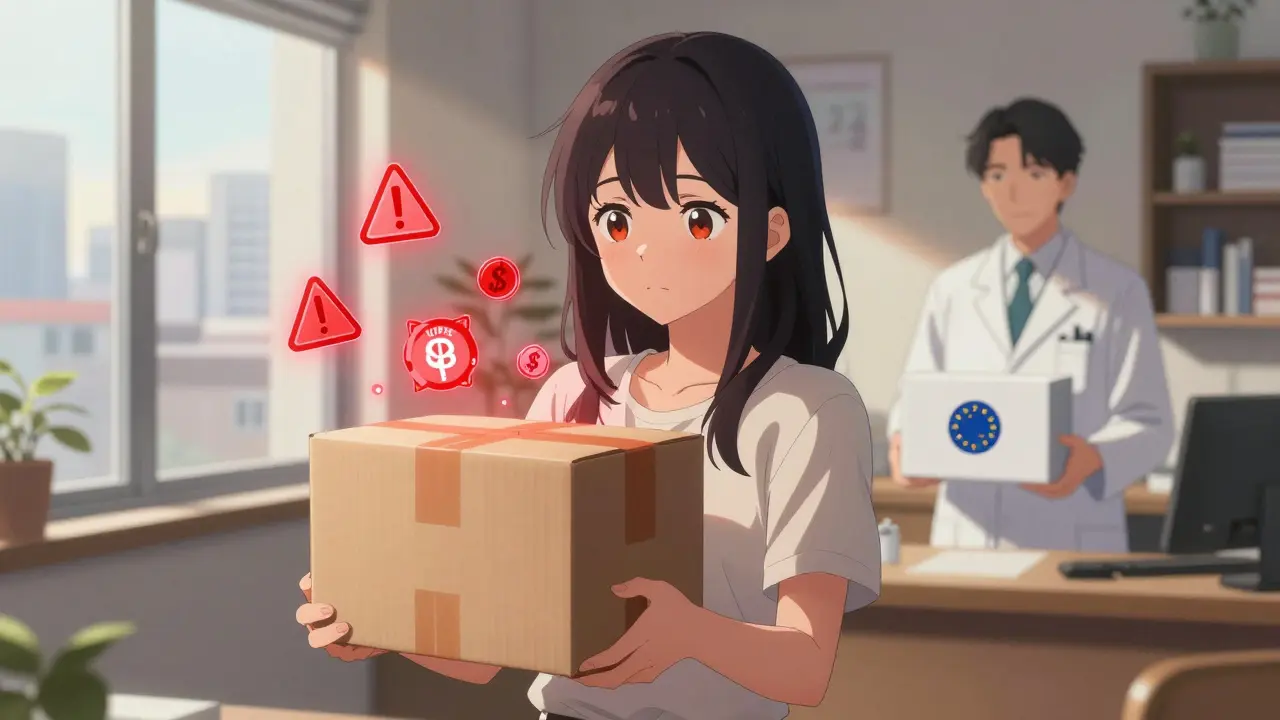
A real online pharmacy doesn’t just look professional-it follows the law. Legitimate pharmacies require a valid prescription for any prescription medication, have a licensed pharmacist on staff to answer your questions, and display a physical address in the country where they’re licensed. In the U.S., the gold standard is the VIPPS seal from the National Association of Boards of Pharmacy (NABP). As of late 2021, only 68 online pharmacies in the entire country had this accreditation. That’s out of tens of thousands of websites claiming to sell pills. If you’re buying medication online, that seal isn’t optional-it’s your first line of defense.
Legit pharmacies also make it easy to contact them. You’ll find a real phone number, not a chatbot or a form. They’ll answer your questions about dosage, side effects, or interactions. They don’t hide behind vague terms like "global pharmacy" or "international shipping." They’re registered with state boards of pharmacy, and you can verify their license. In the UK, you can search the General Pharmaceutical Council’s public register. In the EU, legal pharmacies must show the official EU common logo, which links to a verification page. If you can’t find that logo-or clicking it leads nowhere-walk away.
How rogue pharmacies trick you
Rogue pharmacies don’t care about your health. They care about your money. And they’re getting better at looking real. Many use fake VIPPS or LegitScript seals, copied straight from legitimate sites. A 2023 study found that 41.8% of illegal pharmacies displayed counterfeit verification badges. They’ll even have professional-looking websites, secure HTTPS connections, and customer reviews that look real. But behind the scenes, they’re operating out of a server in Eastern Europe or Southeast Asia, with no pharmacist, no license, and no accountability.
They don’t need a prescription. Ever. A 2023 NIH study showed that 98.2% of rogue pharmacies sell prescription drugs like Viagra, Adderall, or insulin without requiring any medical evaluation. Some even offer "online consultations" that last less than a minute and ask no real questions. These aren’t telehealth visits-they’re rubber stamps for fraud. And if you ask for proof of their license? You’ll get silence, excuses, or a link to a fake regulatory body.
Red flag #1: No prescription needed
If you can buy oxycodone, Xanax, or insulin without a prescription, it’s not a pharmacy-it’s a scam. Prescription medications are controlled for a reason. Taking the wrong dose, mixing them with other drugs, or using them without medical supervision can kill you. Legitimate pharmacies are legally required to verify your prescription. Rogue ones skip this step entirely. That’s not convenience-it’s negligence with deadly consequences.
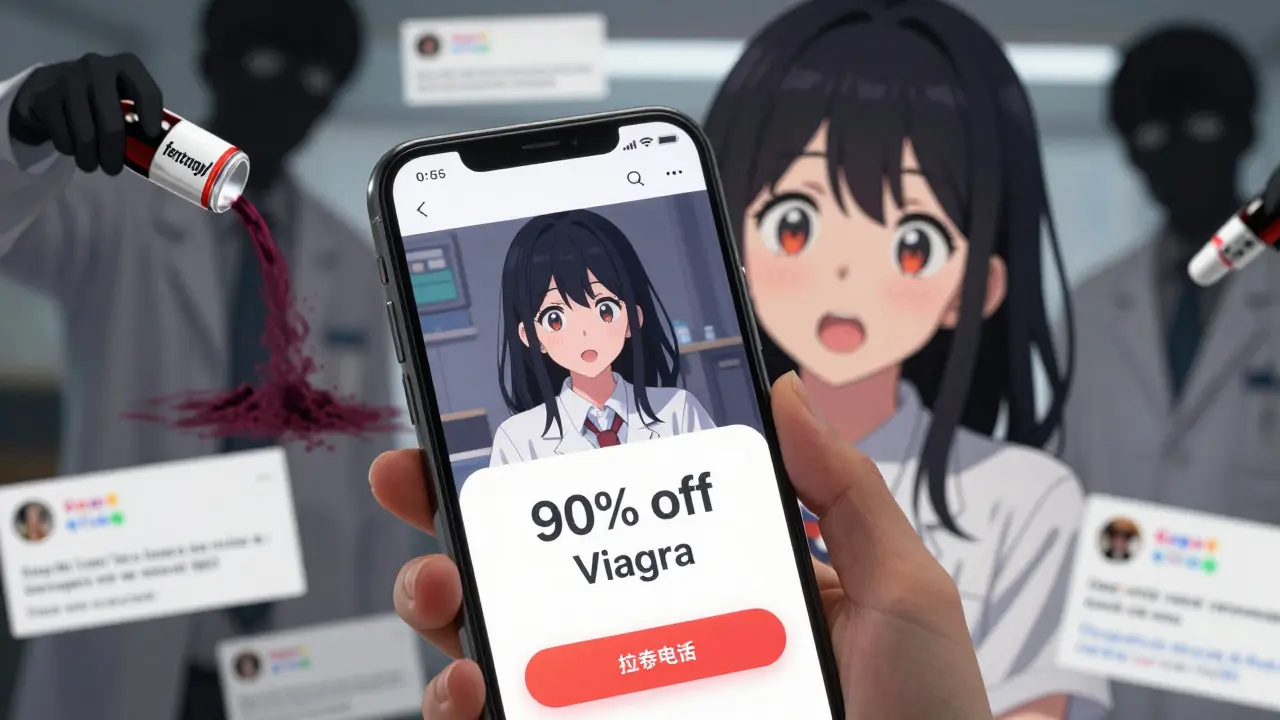
The FDA has documented cases where people got fake insulin that had no active ingredient. Others received counterfeit Adderall laced with fentanyl. These aren’t rare cases. They happen every day. And if the website doesn’t ask for your prescription, it’s already broken the law.
Red flag #2: Prices that are too good to be true
Why would a legitimate pharmacy sell brand-name Lipitor for $10 a month? It wouldn’t. Legitimate pharmacies pay for licensing, staff, inventory, compliance, and shipping. They can’t undercut the market by 80%. Rogue pharmacies can because they’re not buying real drugs. They’re buying bulk powder from unregulated labs, mixing it themselves, and shipping it in plain envelopes.
A 2021 report found that 76.4% of rogue pharmacies use ultra-low pricing as bait. They’ll advertise "90% off" or "same-day delivery from the U.S."-but their server is in India or China. The pills inside? Often contain no active ingredient, the wrong dosage, or toxic contaminants like rat poison or industrial dye. The price isn’t a deal. It’s a warning.
Red flag #3: No verifiable contact info
Real pharmacies give you a street address, a phone number, and a way to reach a licensed pharmacist. Rogue ones give you a PO box, a toll-free number that goes to a call center overseas, or nothing at all. A 2021 study found that 89% of illegal pharmacy sites didn’t provide verifiable contact details.
Check the address. Type it into Google Maps. If it’s a warehouse, a residential house, or a vacant lot, that’s a red flag. Run a WHOIS lookup on their domain-many rogue sites use privacy protection to hide their owner. If you can’t find out who runs the site, you shouldn’t buy from it.
Red flag #4: Spam emails and pop-up ads
Legitimate pharmacies don’t cold-call you. They don’t spam your inbox with "Your prescription is ready!" messages. If you get an email from a pharmacy you never visited, it’s a trap. A 2021 report found that 68.9% of rogue pharmacies use unsolicited email campaigns to lure people in.
They target people searching for erectile dysfunction meds, weight loss pills, or anxiety treatments. They use fear and urgency: "Your doctor prescribed this-click now before it’s gone!" They don’t care if you’re sick. They care if you click. And once you do, they collect your credit card, your medical history, and your identity.
Red flag #5: Shipping from outside the U.S. or EU
Over 84% of rogue pharmacies ship worldwide. That’s not a feature-it’s a loophole. They operate in countries with weak drug laws, then send pills across borders to avoid regulation. Even if the website claims to be "based in the U.S.," their server location and shipping origin are often in countries like India, Pakistan, or the Philippines.
The FDA doesn’t regulate medications imported from overseas. That means they can’t test the pills, verify the ingredients, or recall them if they’re dangerous. A 2022 NABP report found that during the 2022 infant formula shortage, 62% of rogue sites sold fake or unauthorized products. Don’t assume "international shipping" means better prices. It means zero safety net.
Red flag #6: Fake seals and logos
Look for the VIPPS seal, the EU common logo, or the LegitScript verification badge. Now check if they’re clickable. If clicking them leads to a blank page, a generic search result, or a site that looks copied, it’s fake. Rogue pharmacies copy these logos to trick you into thinking they’re safe.
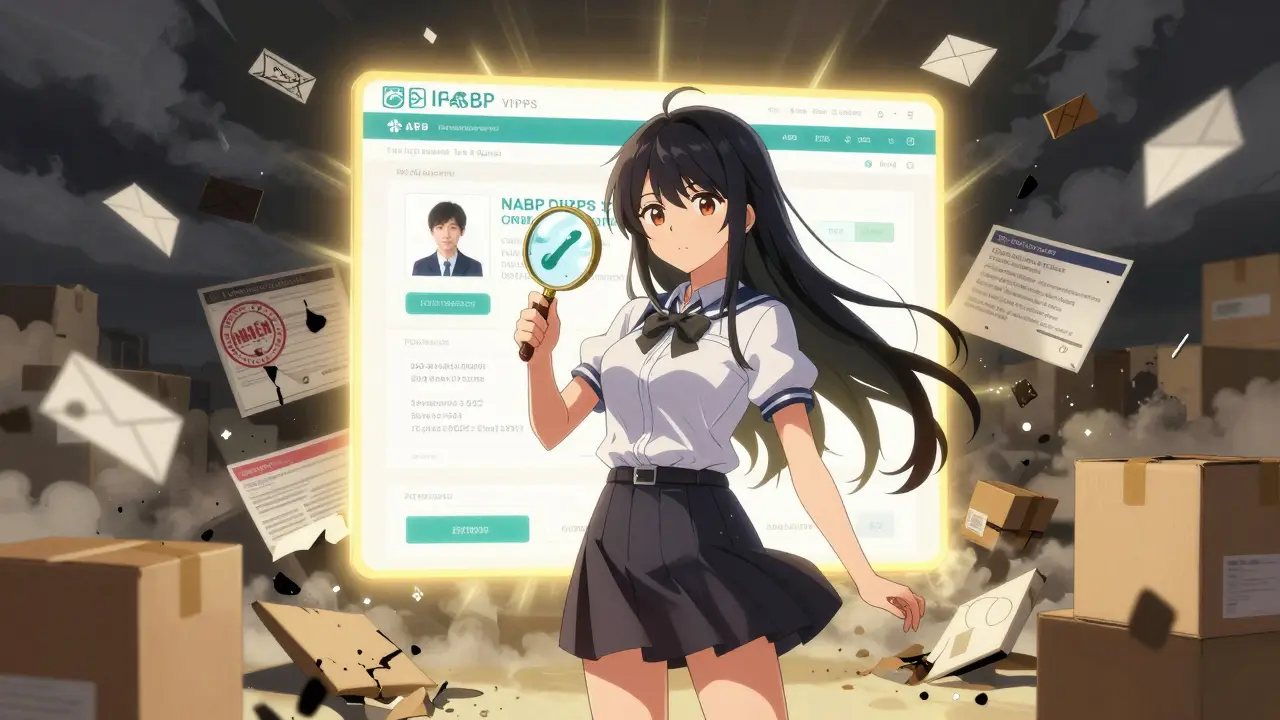
As of 2023, only 47 out of 116 online pharmacies studied in the UK were verified by the GPhC. The rest? Either unverified or outright illegal. And the fake seals? They’re everywhere. Don’t trust the logo. Trust the verification system. Go to the official NABP website. Search for the pharmacy by name. If it’s not listed, it’s not legit.
Red flag #7: No pharmacist available to talk
A real online pharmacy has a licensed pharmacist on duty. You can call them. You can email them. You can ask, "Is this safe with my blood pressure meds?" and get a real answer. Rogue pharmacies have automated bots that say "yes" to everything. Or worse-they don’t offer any contact at all.
A 2023 study found that 93.1% of rogue pharmacies didn’t have a licensed pharmacist available for consultation. That’s not just unethical-it’s dangerous. Pharmacists catch drug interactions, catch dosage errors, and warn you about side effects. If you can’t talk to one, you’re buying blind.
Red flag #8: Guarantees and refunds
"100% money-back guarantee!" sounds reassuring, right? Not when it’s coming from a rogue pharmacy. A 2023 NIH study showed rogue sites were significantly more likely to offer refunds than legitimate ones. Why? Because they know the pills won’t work. They know you’ll be angry. So they promise to refund you-then vanish.
Legitimate pharmacies don’t need to promise refunds. They sell real medicine. If you have a problem, they help you fix it. Rogue pharmacies use guarantees as bait. Once you pay, your refund request goes unanswered. Or they send you a box of vitamins labeled as your prescription.
Red flag #9: No privacy policy or terms of service
Real pharmacies protect your data. They have clear privacy policies explaining how they store your medical records, payment info, and identity. Rogue pharmacies? They don’t care. Many don’t even have a privacy page. Or it’s copied from another site, full of broken links and legal jargon that makes no sense.
If you’re handing over your prescription, your credit card, and your health history, you need to know how it’s protected. If the website doesn’t take privacy seriously, it’s not safe.
Red flag #10: You found it through a Google ad or social media
Legitimate pharmacies don’t buy Google ads for "buy Viagra online no prescription." They don’t run Instagram ads for "discount insulin." Why? Because it’s illegal. The FDA and FTC crack down on those ads. Rogue pharmacies exploit loopholes. They use misleading keywords, fake testimonials, and influencer posts to get you to click.
Google’s algorithm has been known to push rogue pharmacies to the top of search results, especially for high-demand medications. If you found the site through a pop-up, a YouTube ad, or a Facebook post, treat it like a phishing email. Close it. Don’t click. Don’t even hover.
How to verify a pharmacy for real
Here’s what to do before you buy:
- Go to NABP’s VIPPS site and search the pharmacy’s name.
- If you’re in the UK, check the General Pharmaceutical Council’s register.
- Look for the EU common logo and click it to verify authorization.
- Call the pharmacy. Ask to speak to a pharmacist. If they hesitate, hang up.
- Check the physical address on Google Maps. If it’s a warehouse or a home, walk away.
- Search the pharmacy’s name + "scam" or "complaints." Real ones have few or no complaints.
If you’re unsure, don’t buy. Talk to your doctor. They can often help you find a legitimate source-or even prescribe a generic version that’s affordable.
What happens if you buy from a rogue pharmacy?
You might get nothing. You might get sugar pills. You might get pills with fentanyl, arsenic, or rat poison. The FDA has tracked cases where people ended up in the ER after taking fake antibiotics, heart meds, or diabetes drugs. Some died.
And it’s not just your health. Rogue pharmacies steal your credit card info. They sell your medical records on the dark web. They use your identity to open loans or file fake tax returns. One click can cost you thousands-and your life.
Bottom line: Don’t gamble with your health
Online pharmacies can be safe-if you know how to spot the real ones. But the fake ones are everywhere, and they’re getting smarter. Don’t be fooled by clean websites, low prices, or fake seals. If it feels too easy, it is. If you can’t verify it, don’t buy it. Your life isn’t worth the risk.
Can I trust online pharmacies that claim to be "FDA approved"?
No. The FDA doesn’t approve online pharmacies. It only approves individual drugs. The only official U.S. verification for online pharmacies is the VIPPS seal from the NABP. Any site claiming "FDA approved" is misleading you. Look for VIPPS-not FDA.
What should I do if I already bought medicine from a rogue pharmacy?
Stop taking the medication immediately. Contact your doctor and tell them what you took. Report the pharmacy to the FDA’s MedWatch program and the FTC. If you paid with a credit card, dispute the charge. Keep the packaging and any emails-you may need them for an investigation.
Are Canadian online pharmacies safe?
Some are, but many aren’t. A few Canadian pharmacies are licensed and follow strict rules. But most websites claiming to be "Canadian pharmacies" are actually based in the U.S. or India, using fake Canadian addresses to trick people. Only use Canadian pharmacies that are verified by the Canadian International Pharmacy Association (CIPA) or have a Canadian pharmacy license you can verify.
Why don’t more legitimate pharmacies sell online?
Many do-but they’re hard to find because they don’t advertise. Legitimate pharmacies follow strict rules: they can’t promote drugs directly, they need to verify prescriptions, and they can’t ship controlled substances across state lines easily. That makes them less visible than rogue sites that spam Google and social media. The safest option is often to buy from your local pharmacy or a VIPPS-accredited site you’ve verified yourself.
Is it legal to buy prescription drugs from overseas?
Technically, no. The FDA prohibits importing prescription drugs from other countries, even if they’re legal there. In practice, they sometimes allow small personal amounts for non-controlled medications-but only if they’re for your own use and you have a valid prescription. Still, there’s no safety guarantee. You’re on your own if something goes wrong.

Comments (9)
kabir das
I just bought my insulin from a site that looked legit... turns out it was sugar pills. I ended up in the ER. Don't trust anything that says "90% off". I'm still scared to even check my blood sugar now. 😭
Kacey Yates
Stop falling for this fearmongering. Most of these "rogue" sites are just people in India selling generics. The real problem is Big Pharma pricing. If you can't afford your meds you're forced to take risks. And yes I know someone who got real meds from one of these sites. The system is broken not the people.
ryan Sifontes
I think the FDA is in on it. They let these scams run so they can justify more funding. Also why do all the "legit" pharmacies have the same 3 word names? Coincidence? I think not. And don't get me started on the VIPPS seal. That's just a paid badge. I saw a guy on YouTube who made one in Canva.
Eli In
I'm so glad this exists 🙏 My grandma almost bought fake blood pressure meds last month. She saw a pop-up ad and almost clicked. We sat down and checked the VIPPS site together. She's 82 and still learning. We need more posts like this. Thank you for sharing 💖
Ryan Pagan
Let me cut through the BS. You don't need a PhD to spot a scam pharmacy. If it's too good to be true it's a lie. If they don't ask for your prescription they're selling candy. If they ship from Bangladesh and promise "24hr delivery" they're running a Ponzi scheme with aspirin. These aren't red flags-they're neon fucking billboards. And the fact that people still click? That's the real tragedy.
Paul Adler
The article presents a compelling case grounded in empirical data. I appreciate the emphasis on verifiable contact information and regulatory seals. It is worth noting, however, that the global supply chain for pharmaceuticals is complex and that some legitimate intermediaries operate across borders under strict oversight. The distinction between illegitimate and unregulated is not always binary.
Andy Steenberge
I've worked in pharmacy compliance for 18 years. The VIPPS seal is the only thing you need to look for in the US. If a site doesn't have it, it's not legit. Period. I've seen rogue pharmacies copy entire websites-including the footer links and contact info-down to the font. But they never get the WHOIS data right. Always check the domain registration. If it's registered to a private person in a country with no drug laws? Run. Also: if they accept cryptocurrency? That's not a feature, it's a warning siren. And yes, I've personally reported 14 fake pharmacies to the FDA in the last two years. It matters.
DHARMAN CHELLANI
Lmao this is why Americans are dumb. You think the FDA gives a shit about your insulin? They care about patents. If you're poor and need meds, you take the risk. These "red flags" are just marketing for big pharma. I bought my Adderall from a site that looked like a 1998 Geocities page. It worked. I'm alive. You're not.
Laura Arnal
Thank you for writing this! My brother almost ordered fake diabetes meds after losing his job. I showed him the NABP site and he checked the pharmacy himself. He said it felt like learning to drive again-but now he feels safe. We need more people like you spreading this info 💪❤️