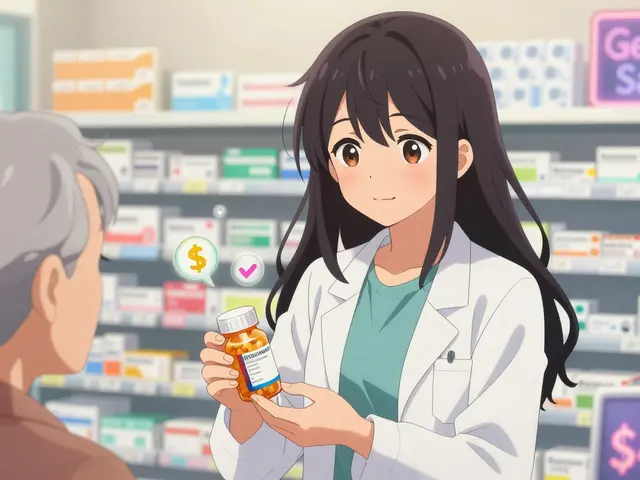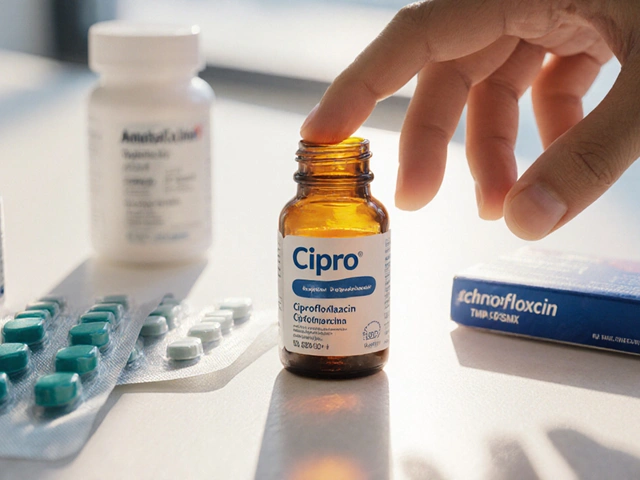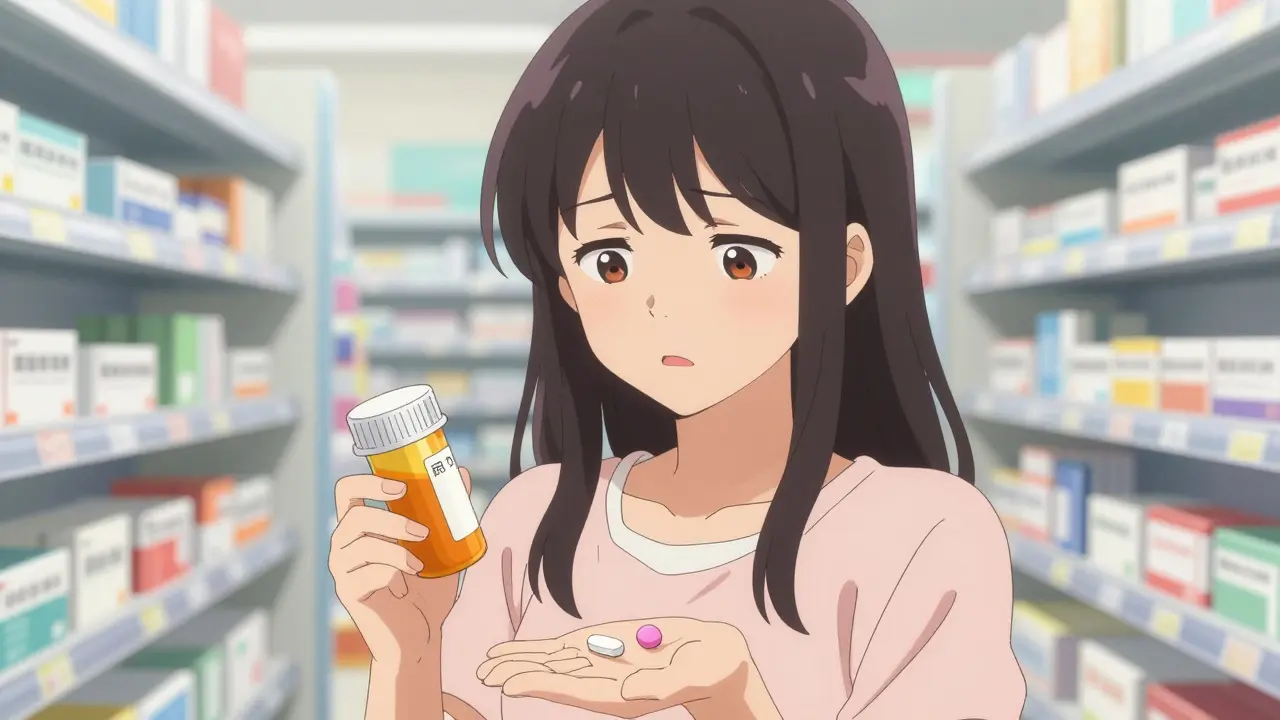
Imagine this: You’ve been taking a white, oval-shaped pill for your high blood pressure for three years. One day, you pick up your prescription at the pharmacy, and the bottle contains pink, round tablets instead. You hesitate. Is it the right medicine? Did the pharmacist make a mistake? Do I take it or throw it away?
This scenario plays out in pharmacies across the United States every single day. It isn’t just about confusion; it’s a critical gap in health literacy, defined by the World Health Organization as the ability to access, understand, appraise, and use information and services in ways that promote and maintain good health and well-being. When that literacy meets the complex world of generic medications, the stakes are incredibly high.
Generic drugs now account for 90% of all prescriptions by volume in the U.S., according to the Association for Accessible Medicines. They are the backbone of affordable healthcare. Yet, despite their therapeutic equivalence to brand-name drugs, they create unique barriers for patients with low health literacy. This article breaks down why these barriers exist, how they impact safety, and what practical steps patients, providers, and organizations can take right now to bridge the gap.
Why Generic Medications Create Unique Literacy Challenges
To understand the problem, we first need to look at the mechanics of generics. A generic drug must contain the same active ingredient, dose, strength, and route of administration as the brand-name reference product. However, they can differ in inactive ingredients-like dyes, binders, and fillers. These differences change the pill’s color, shape, size, and packaging.
For a patient with high health literacy, this is a minor detail. For someone with basic or below-basic health literacy skills, it is a major red flag. The National Network of Libraries of Medicine estimates that 80 million American adults fall into this category. They often rely on visual cues to identify their medications. When those cues change without clear explanation, trust erodes.
Research published in the Journal of General Internal Medicine in 2005 highlighted that community pharmacists frequently observe patients struggling when different brands of the same medication are issued. This creates a "medication understanding gap." Unlike brand-name drugs, which benefit from consistent advertising and appearance, generics face a "trust deficit." A 2018 study found that 68% of patients expressed concern about generic effectiveness compared to only 22% for brand-name drugs, even though the therapeutic standards are identical.
The Real-World Impact on Patient Safety
The consequences of this confusion are not theoretical; they are measurable and dangerous. The Institute for Safe Medication Practices documented 1,247 medication errors related to confusion between different generic versions of the same drug between 2015 and 2020. This represented 17% of all reported medication errors involving generics.
Consider the experience shared on PatientsLikeMe in 2022 by a user with type 2 diabetes. When their metformin changed from white oval to pink round tablets, they stopped taking it for three days, fearing it was the wrong medication. The result? A trip to the emergency room for dangerously high blood sugar. This isn't an isolated incident. A 2021 study in the Journal of the American Geriatrics Society found that 52% of older adults taking cardiovascular medications admitted to "pill dumping"-discarding medications that looked different-when generics were substituted.
Low health literacy also affects dosing accuracy. Research by Wolf et al. in 2007 demonstrated that patients with low literacy were 2.5 times more likely to misdose medications when presented with complex labeling. If the label doesn't clearly explain that the new-looking pill is the same medicine, the risk of non-adherence spikes. In fact, a JAMA Internal Medicine study showed a 23% increase in non-adherence when patients received a visually different generic version.
Organizational Responsibility vs. Personal Capacity
Historically, the burden of understanding health information fell entirely on the individual. The definition of health literacy has evolved. The U.S. Department of Health and Human Services updated its definition in August 2020 through Healthy People 2030 to include two distinct components:
- Personal Health Literacy: An individual's capacity to find, understand, and use health information.
- Organizational Health Literacy: An organization's responsibility to equitably enable individuals to access health information.
This shift is crucial. It means that hospitals, clinics, and pharmacies are no longer just providers of care; they are responsible for the clarity of their communication. Dr. Ruth Parker, Professor of Medicine at Emory University, stated in a 2021 Health Affairs commentary that "the visual inconsistency of generic medications represents a systemic failure in health literacy design that disproportionately impacts vulnerable populations."
The American Medical Association’s 2022 Health Literacy Report identified generic medication confusion as one of the top five medication safety concerns. Notably, 56% of physicians reported patient confusion about generic substitutions during clinical encounters. This signals that the problem is visible to providers but often unaddressed systematically.
Practical Strategies for Improving Understanding
We don't have to wait for legislation to fix this. Several evidence-based strategies are already showing significant results in reducing errors and improving adherence.
1. The "Ask Me 3" Program
Developed by the Partnership for Clear Health Communication, this simple protocol trains providers to ask patients three critical questions before they leave the encounter. One key question focuses on whether the patient understands the difference between brand and generic versions. Hospitals implementing this program saw a 31% reduction in medication errors related to generic substitutions, according to a 2022 Agency for Healthcare Research and Quality (AHRQ) evaluation.
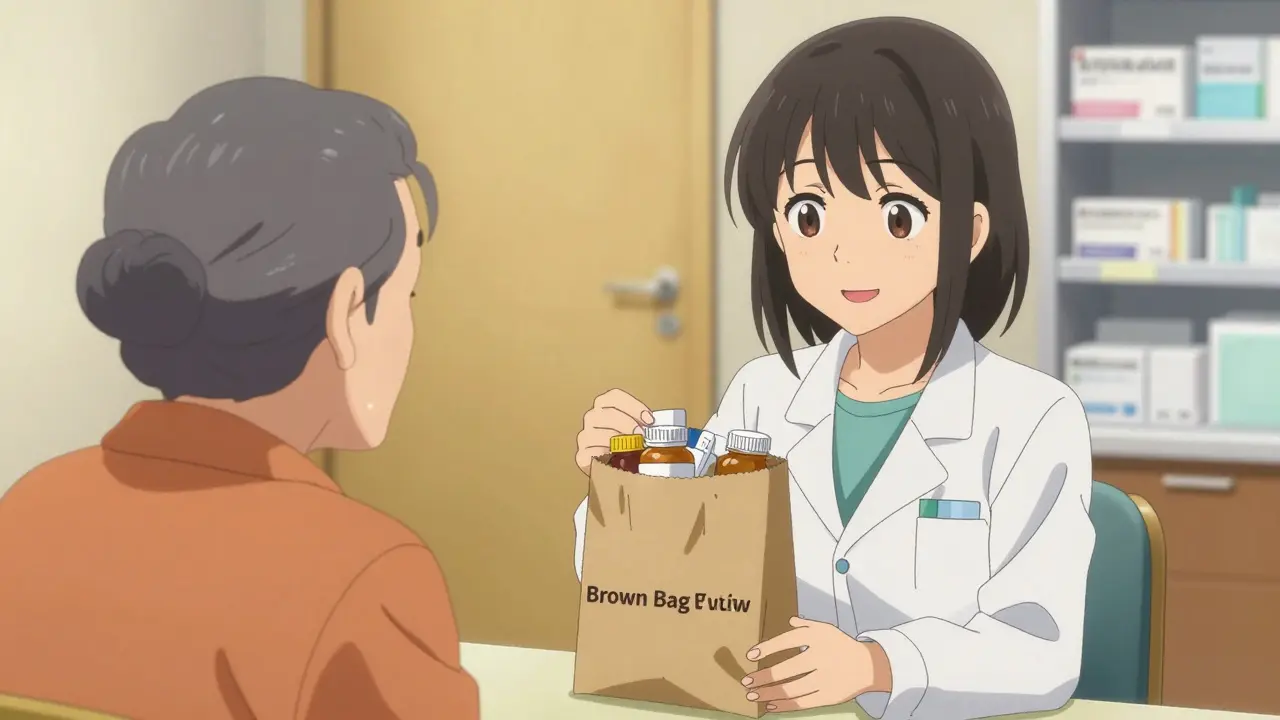
2. Brown Bag Medication Reviews
This technique involves patients bringing all their current medications to appointments in a brown paper bag. It allows clinicians to physically inspect the pills, check for duplicates, and discuss any changes in appearance directly. Adopted by 78% of Medicare-certified home health agencies, this method reduced medication discrepancies by 44% in a 2021 Johns Hopkins study.
3. Digital Tools and Visual Recognition
Technology offers a powerful aid for visual identification. Apps like Medisafe, used by over 4.2 million patients, incorporate visual medication recognition features. A randomized controlled trial published in JMIR mHealth in 2022 found that these tools improved generic medication understanding by 37%. More recently, research in the New England Journal of Medicine (June 2023) demonstrated that AI-powered medication recognition tools improved understanding by 63% among patients with low health literacy.
4. Universal Precautions Approach
The CDC’s Universal Precautions for Health Literacy approach assumes that everyone may have difficulty understanding health information. Implemented in 92% of Federally Qualified Health Centers as of 2023, this includes specific protocols for explaining generic substitutions. Multi-site evaluations showed a 52% reduction in patient confusion using this method.
The Role of Plain Language Labeling
Packaging and labeling are the last line of defense. Despite the FDA’s 2019 Generic Drug User Fee Amendments (GDUFA II) calling for improved patient labeling, implementation remains inconsistent. A 2022 FDA compliance review found that only 37% of generic drug manufacturers incorporated plain language principles in their patient information leaflets.
Plain language means writing at a 6th-grade reading level, using active voice, and avoiding jargon. Instead of "contraindicated," use "do not take." Instead of "adverse effects," use "side effects." The six critical points patients need to understand, as specified by LMU’s curriculum, are:
- Name of medicine (Brand vs. Generic)
- What it is being used for
- How to take it/give it
- How to store it
- Side Effects
- When to worry or call or return to office
When labels fail to meet these criteria, the burden shifts back to the patient, exacerbating the literacy gap.
Industry Trends and Future Outlook
The market is recognizing the urgency. The global health literacy market, valued at $3.2 billion in 2022, is projected to reach $6.8 billion by 2030. This growth is partly driven by the need to address generic medication communication challenges. The Association for Accessible Medicines established the Patient Education Committee in 2016, launching the "Know Your Generics" campaign which reaches 12 million patients annually.
Regulatory bodies are also moving toward standardization. The European Medicines Agency’s 2021 policy requiring standardized appearance for generics across member states has reduced medication errors by 27%, according to preliminary data. In the U.S., the FDA’s 2023 draft guidance proposes standardized color-coding for therapeutic classes, building on Australia’s successful system that reduced errors by 33%.
Pharmaceutical companies are finding financial incentives too. A 2022 IQVIA report found that companies investing in health literacy initiatives for generics saw 18% higher medication adherence rates and $1,247 lower annual healthcare costs per patient. Clear communication is not just a safety issue; it’s an economic imperative.
| Feature | Brand-Name Medications | Generic Medications |
|---|---|---|
| Visual Consistency | High (consistent color/shape) | Low (varies by manufacturer) |
| Patient Trust | Higher (driven by marketing) | Lower (42% doubt equivalence) |
| Labeling Clarity | Often more detailed marketing info | Often dense, technical text |
| Error Rate | Lower due to recognition | Higher due to substitution confusion |
| Cost Impact | Higher out-of-pocket costs | Significant cost savings |
Next Steps for Patients and Providers
If you are a patient, start by asking your pharmacist: "Will my pill look different next time?" Use apps like Medisafe to track what your pills should look like. Bring all your meds to your doctor for a "Brown Bag Review." Don't be afraid to ask for plain-language explanations.
If you are a provider, adopt the "Ask Me 3" protocol. Train staff to proactively mention visual changes during refills. Advocate for plain-language labeling in your organization. Remember, organizational health literacy is your responsibility, not just the patient's.
Are generic medications as effective as brand-name drugs?
Yes. By law, generic medications must contain the same active ingredient, dose, strength, and route of administration as the brand-name reference product. They must also meet the same quality and performance standards. While inactive ingredients (like dyes) may differ, the therapeutic effect is identical.
Why do generic pills look different each time I refill them?
Pharmacies often switch manufacturers based on price and availability. Since different manufacturers use different inactive ingredients (binders, colors), the physical appearance of the pill can change. This visual inconsistency is a primary cause of confusion for patients with low health literacy.
What is the "Ask Me 3" program?
The "Ask Me 3" program is a communication strategy developed by the Partnership for Clear Health Communication. It encourages patients to ask three key questions: What is my main problem? What do I need to do? Why is it important? For medications, it specifically helps clarify understanding of brand vs. generic differences, reducing errors by 31% in participating hospitals.
How does low health literacy affect medication adherence?
Low health literacy leads to misunderstandings about dosage, purpose, and side effects. Specifically regarding generics, it causes "pill dumping" or refusal to take medication due to visual changes. Studies show a 23% increase in non-adherence when patients receive visually different generic versions, directly impacting treatment efficacy.
What is organizational health literacy?
Organizational health literacy is the responsibility of healthcare systems to make information accessible and understandable. It shifts the burden from the patient to the provider, requiring clear signage, plain-language materials, and staff training to ensure equitable access to health information, including details about generic medications.
Can technology help me identify my generic medications?
Yes. Mobile apps like Medisafe and AI-powered tools can help identify medications by image. Research shows these tools improve generic medication understanding by 37% to 63%, especially among patients with low health literacy, by providing visual confirmation and clear instructions.
What is the "Brown Bag Medication Review"?
This is a practice where patients bring all their current medications to a doctor or pharmacist appointment in a bag. The provider reviews the actual pills, checks for interactions, and discusses any changes in appearance or formulation. It has been shown to reduce medication discrepancies by 44%.
Why is plain language labeling important for generics?
Plain language labeling uses simple words and clear structures to explain medication use. Currently, only 37% of generic manufacturers use plain language principles. Clear labels reduce misdosing risks, which are 2.5 times higher in patients with low literacy facing complex instructions.
What are the economic benefits of improving generic health literacy?
Improving literacy reduces costly medical errors and hospitalizations. A 2022 IQVIA report found that companies investing in health literacy initiatives for generics saw $1,247 lower annual healthcare costs per patient and 18% higher medication adherence rates.
Is there a push for standardized generic pill appearances?
Yes. The FDA released draft guidance in 2023 proposing standardized color-coding for therapeutic classes. Similarly, the European Medicines Agency implemented policies requiring standardized appearance, which reduced medication errors by 27% in pilot programs. The WHO also calls for international standardization to reduce literacy barriers.