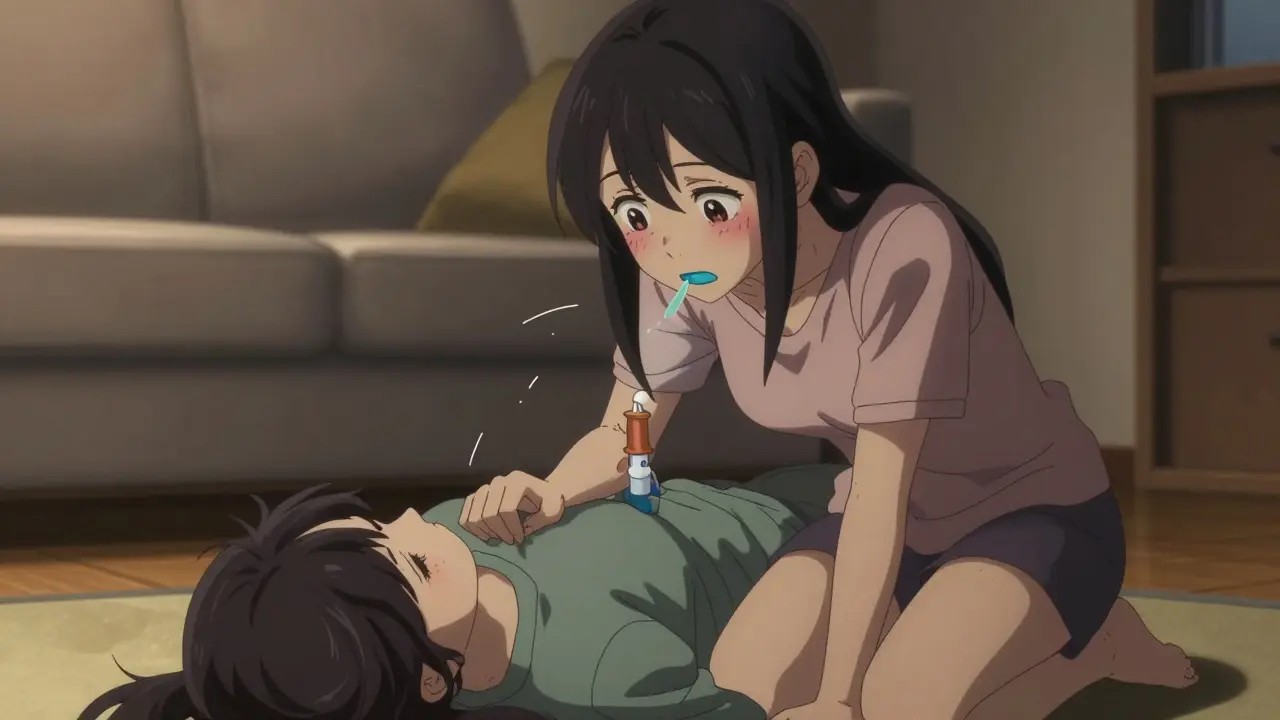
Every year, thousands of people die from medication overdoses-not because they meant to harm themselves, but because no one recognized the signs in time. It could be a friend who took a pill they thought was harmless, a family member who accidentally doubled their dose, or someone using street drugs that contain deadly fentanyl without knowing it. The truth is, medication overdose doesn’t always look like a dramatic scene from a TV show. Sometimes, it’s just someone who won’t wake up, or is breathing too slowly, or has blue lips. If you know what to look for, you might save a life.
What Exactly Is a Medication Overdose?
A medication overdose happens when someone takes more of a drug than their body can handle. This isn’t just about illegal drugs-it’s also prescription painkillers, sleep aids, anxiety meds, cough syrups, and even common pain relievers like acetaminophen or ibuprofen. The body has limits. When those limits are crossed, vital systems start to shut down. Breathing slows. Heart rate becomes erratic. The brain stops getting enough oxygen. And without quick action, death can happen in minutes. The most dangerous drugs today are synthetic opioids like fentanyl. Just two milligrams of fentanyl can kill an adult. That’s less than a grain of salt. And it’s often mixed into other drugs-pills sold as oxycodone, cocaine, or even Xanax-without the user’s knowledge. In 2022, synthetic opioids were involved in over 73,000 deaths in the U.S. alone. That’s more than 200 people every day.General Signs of Overdose (Across All Drug Types)
No matter what drug is involved, there are warning signs that signal trouble. These aren’t subtle. They’re urgent. If you see any of these, call emergency services right away:- Unresponsiveness - The person doesn’t respond to loud noises, shaking, or pain. They may appear awake but can’t speak or move.
- Slow or stopped breathing - Breathing fewer than 8 times per minute, or gaps of 10 seconds or more between breaths.
- Blue or gray lips and fingernails - This is cyanosis, meaning the body isn’t getting enough oxygen.
- Pale, clammy skin - The skin feels cold and wet, even if the room is warm.
- Gurgling or snoring sounds - Not normal snoring. This is the sound of air struggling to pass through a blocked airway.
- Vomiting while unconscious - This is extremely dangerous. The person can choke on their own vomit.
- Seizures - Uncontrolled shaking or jerking movements.
These signs don’t mean the person is just “sleeping it off.” They’re in medical crisis. Waiting even five minutes can mean the difference between life and death.
Signs by Drug Type
Different drugs affect the body in different ways. Knowing the specific symptoms can help you act faster.Opioids (Heroin, Fentanyl, Oxycodone, Codeine)
Opioids depress the central nervous system. The classic signs are called the “opioid triad”:- Pinpoint pupils - Pupils shrink to the size of a pinhead, even in dim light.
- Unconsciousness - The person can’t be woken up, even with pain.
- Shallow or stopped breathing - Breathing may be slow, irregular, or absent.
Other signs include extreme drowsiness, limp muscles, cold skin, and a slow heartbeat. Fentanyl overdoses can happen in under a minute. If someone has taken any pill they didn’t get from a pharmacy, assume it could contain fentanyl.
Stimulants (Cocaine, Methamphetamine, Adderall)
Stimulants do the opposite-they overwork the body. Signs include:- Extreme agitation or paranoia - The person may be yelling, pacing, or acting terrified.
- High body temperature (over 104°F) - Skin feels hot to the touch, sweating heavily.
- Fast, irregular heartbeat - Chest pain or palpitations are common.
- Seizures - Especially with cocaine or meth.
- High blood pressure - Can lead to stroke or heart attack.
People using stimulants often don’t realize they’re overdosing because they feel “awake” and “energized.” But their body is literally burning out.
Depressants (Alcohol, Benzodiazepines, Barbiturates)
These include prescription sleep and anxiety meds, as well as alcohol. Overdose symptoms include:- Slurred speech - Like someone who’s very drunk, but worse.
- Loss of coordination - Stumbling, falling, unable to stand.
- Confusion or memory loss - May not remember what happened.
- Slow breathing - Often below 10 breaths per minute.
- Vomiting while unconscious - This is the leading cause of death in alcohol overdoses.
People often mistake depressant overdoses for “just being drunk.” But alcohol poisoning kills more people than heroin in some regions.
Polysubstance Overdoses (Mixing Drugs)
More than half of all overdose deaths in 2022 involved multiple drugs. Mixing opioids with alcohol or benzodiazepines is especially deadly. The combined effect can shut down breathing faster than either drug alone. Stimulants mixed with opioids (called a “speedball”) create conflicting signals in the body, increasing heart strain and risk of sudden cardiac arrest.
What to Do If You Suspect an Overdose
Time is everything. Here’s what to do, step by step:- Call emergency services immediately. In the U.S., dial 911. In New Zealand, dial 111. Don’t wait. Don’t text. Call.
- Check breathing. If the person isn’t breathing or is gasping, start rescue breathing if you’re trained. If not, just keep calling for help.
- Administer naloxone if available. Naloxone (brand name Narcan) reverses opioid overdoses. It comes as a nasal spray. Spray one dose into one nostril. If there’s no response after 2-3 minutes, give a second dose. Naloxone is safe-even if the person didn’t take opioids, it won’t hurt them.
- Keep them on their side. This is called the recovery position. It prevents choking if they vomit.
- Stay with them until help arrives. Even if they wake up, they can crash again. Don’t leave them alone.
Never try to “sleep it off,” put them in a cold shower, or give them coffee. These myths have killed people.
How to Prevent Overdose
Prevention isn’t just about avoiding drugs-it’s about reducing harm when they’re used.- Use fentanyl test strips. These cost less than $1 each and can detect fentanyl in pills or powder. If it’s positive, don’t use it-or use with someone else present and have naloxone ready.
- Never use alone. If you’re using drugs, have someone nearby who knows what to do. Most fatal overdoses happen when people are alone.
- Start low, go slow. If you’ve been away from a drug (after rehab, jail, or just taking a break), your tolerance drops. A dose that used to be safe can now kill you.
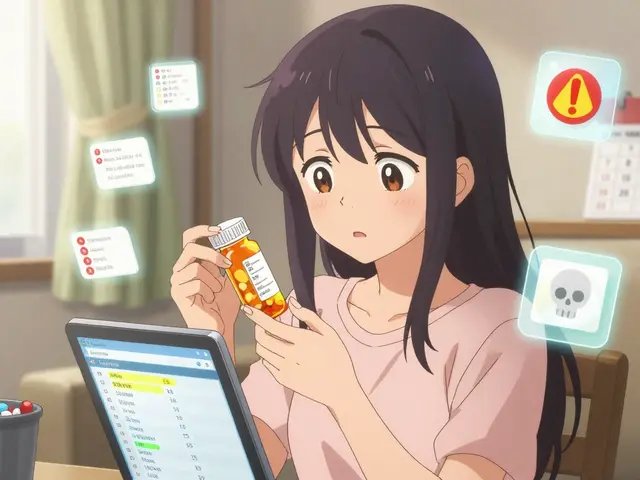
- Know your meds. Don’t mix alcohol with prescription painkillers or sleep aids. Read labels. Ask your pharmacist.
- Carry naloxone. Naloxone is now available over-the-counter at most pharmacies without a prescription. Keep one in your bag, car, or home. It’s not just for addicts-it’s for friends, family, coworkers.
Legal Protection for Bystanders
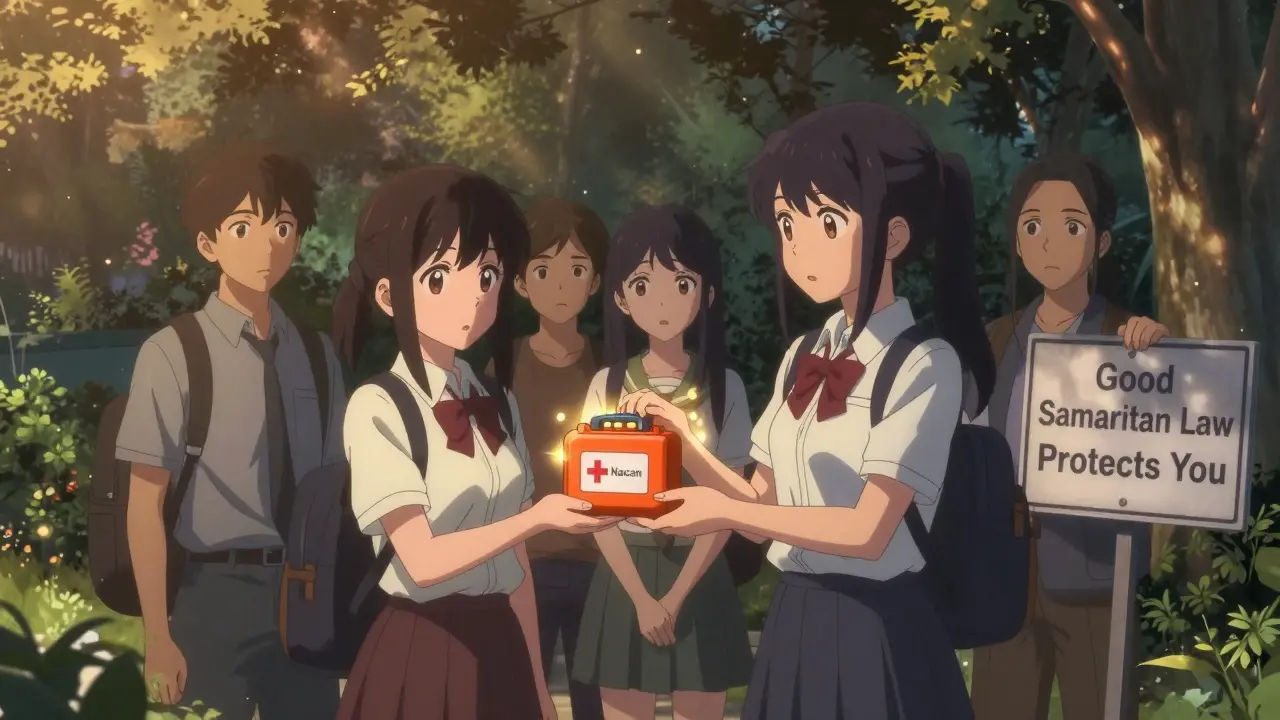
Many people don’t call for help because they fear getting in trouble. But in 47 U.S. states and many countries-including New Zealand-there are “Good Samaritan” laws. These protect people who call 911 during an overdose. You won’t be arrested for possession if you’re reporting an emergency. The law exists to save lives, not punish them.Where to Get Help
If you or someone you know is struggling with medication use, help is available:- Alcohol and Drug Helpline (New Zealand): 0800 787 797 (24/7, free, confidential)
- SAMHSA National Helpline (U.S.): 1-800-662-HELP (4357)
- Naloxone Saves App: Find free naloxone near you in the U.S. and Canada.
You don’t need to have a “problem” to need help. Sometimes, just knowing what to do in an emergency is enough to save a life.
Can you overdose on over-the-counter medications?
Yes. Common painkillers like acetaminophen (Tylenol) and ibuprofen (Advil) can cause fatal overdoses if taken in large amounts. Acetaminophen overdose is the leading cause of acute liver failure in the U.S. Just 10 grams-about 20 regular tablets-can be deadly. Always follow dosage instructions and never mix multiple products that contain the same active ingredient.
Does naloxone work on all types of overdoses?
No. Naloxone only reverses overdoses caused by opioids like heroin, fentanyl, or prescription painkillers. It does nothing for stimulant overdoses (cocaine, meth), depressant overdoses (alcohol, benzos), or overdoses from other drugs like antidepressants. But if you’re unsure what was taken, give naloxone anyway-it won’t harm someone who didn’t take opioids, and it could save their life.
How long does naloxone last, and can the overdose come back?
Naloxone works for 30 to 90 minutes. Many opioids, especially fentanyl, last longer. That means the person can stop breathing again after naloxone wears off. That’s why it’s critical to get medical help even if they wake up. They need to be monitored for several hours.
Can you get addicted to naloxone?
No. Naloxone has no euphoric effect and is not addictive. It’s a pure opioid blocker-it simply knocks opioids off brain receptors. It’s safe for anyone to carry and use, even children.
Is it true that fentanyl can be absorbed through the skin?
No, that’s a myth. Fentanyl can’t be absorbed through casual skin contact. You won’t overdose from touching a pill or powder. The real danger is inhaling airborne powder or accidentally ingesting it. Always wear gloves when handling unknown substances, but don’t panic if you touch something. Wash your hands and move on.
What if I’m not sure whether it’s an overdose or just someone drunk?
If someone is unresponsive, breathing slowly, has blue lips, or is vomiting while unconscious, treat it as an overdose. It’s better to call emergency services and be wrong than to wait and be right too late. Emergency responders are trained to handle both alcohol and drug overdoses. They won’t judge you for calling.

Comments (13)
Alex Warden
This is why America needs to stop coddling drug users. If you can't control your own body, you don't deserve help. Why should taxpayers fund naloxone for people who keep making bad choices?
They should be punished, not pampered.
LIZETH DE PACHECO
I appreciate this guide so much. My brother overdosed last year and we didn't know what to do. I kept thinking he was just passed out drunk. This could've saved him. I'm carrying naloxone now. Everyone should.
Kristen Russell
This is life-saving info. Please share it with your family, your coworkers, your neighbors. You don't need to be an expert to be a hero.
Bryan Anderson
I work in emergency medicine and this summary is remarkably accurate. The biggest barrier isn't lack of knowledge-it's fear. Fear of judgment, fear of legal trouble, fear of being wrong. That's why Good Samaritan laws matter. They're not just legal protections-they're moral imperatives.
Matthew Hekmatniaz
In my community, we've started handing out fentanyl test strips at the mosque and the community center. It's not about judging people-it's about keeping them alive. One man told me he stopped using after testing a pill and seeing it was laced. That's real change.
jaspreet sandhu
People always say 'it could be your friend' or 'it could be your brother' but honestly most of these cases are just lazy people who don't care about their health. You think you're smart taking pills you find online? You're not smart, you're just lucky so far. And now we have to waste emergency resources because you thought it was a good idea to mix Xanax with whatever powder you bought off a stranger. The world doesn't owe you a second chance.
Liam George
Let me ask you something. Who really benefits from naloxone being available over the counter? Big Pharma? The government? The prison-industrial complex? They want you to think this is about saving lives-but it's about keeping the cycle going. If you fix overdoses, you keep people dependent. If you let them die, the system resets. Think about it. Why are they pushing this so hard? Why not focus on prevention? Why not shut down the supply? Or is that too inconvenient?
sharad vyas
In India, we don't have naloxone easily available. But we do have something more powerful-community. When someone collapses, the whole street stops. Someone calls the ambulance, someone holds their head, someone runs for water. We don't wait for laws or apps. We act. Maybe the answer isn't more technology. Maybe it's remembering we're human beings, not isolated users in a digital system.
Dusty Weeks
I carry naloxone in my pocket like a magic spell 🧙♂️💖 I used it on my cousin last month. He woke up crying. Said he didn't know he was that close to dying. I told him I love him. We cried. Then we got coffee. 🤍
Richard Thomas
There's a deeper layer here that nobody talks about. Overdose isn't just a physiological event-it's a failure of connection. People don't overdose because they're weak. They overdose because they're alone. The real epidemic isn't fentanyl. It's loneliness. The pills are just the symptom. The cure is presence. The cure is someone who knows your name and shows up even when you're broken. That's what we're missing. Not more drugs. Not more laws. More humanity.
Paul Ong
I'm not a doctor but I read this whole thing and I'm telling you if you see blue lips just call 911 right now don't wait don't think don't worry about what people will say just call because someone might die and you could stop it
Todd Nickel
I've been studying pharmacology for over a decade. What's interesting here is how the article correctly identifies polysubstance overdoses as the leading cause of death-but doesn't mention the role of polypharmacy in elderly populations. Many seniors take multiple prescriptions, and the interactions between anticoagulants, antidepressants, and sleep aids are rarely monitored. This isn't just a youth problem. It's a systemic failure in geriatric care. We need better coordination between pharmacies, doctors, and caregivers. The same principles apply: recognize signs, act fast, carry naloxone if opioids are involved. But we also need better data tracking and prescribing guidelines for older adults.
Lee M
The real tragedy isn't the overdose. It's the fact that we've turned death into a public health campaign. We've sanitized suffering with infographics and nasal sprays. But what about the root? Why are people turning to these substances in the first place? The system broke them. The economy broke them. The loneliness broke them. Naloxone doesn't fix that. It just buys time. And while we're spraying noses, the machines keep grinding.