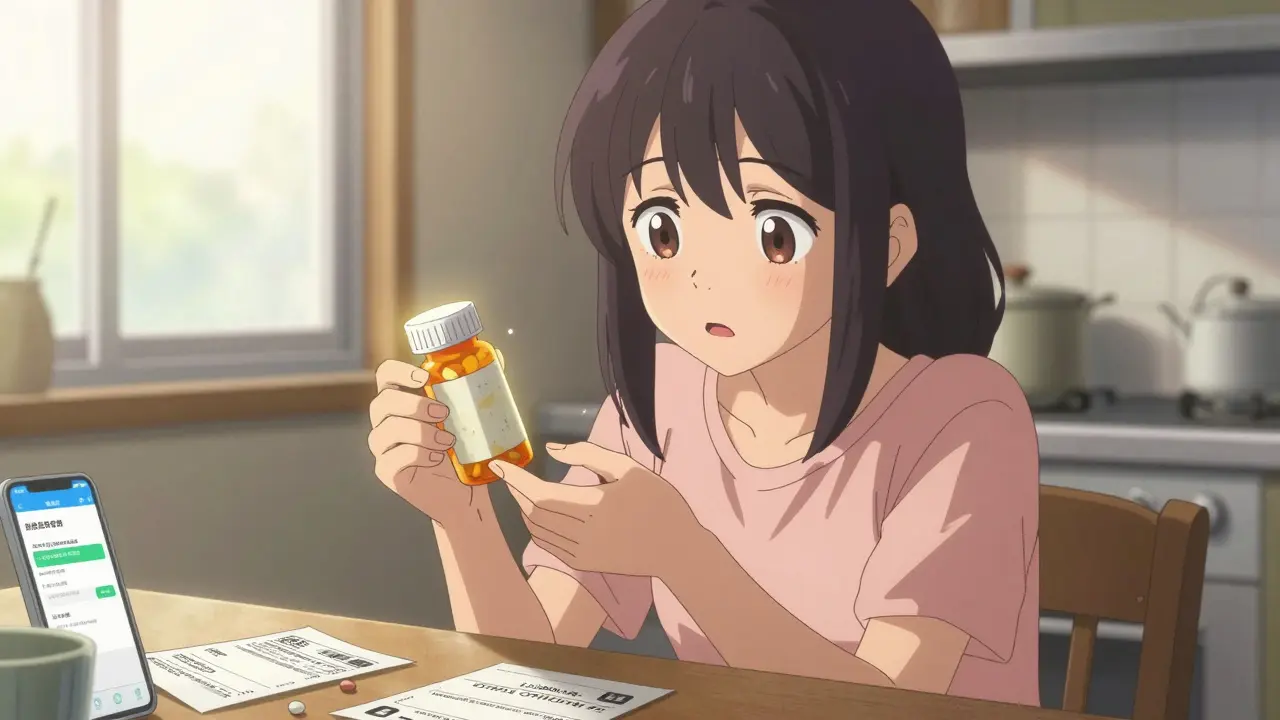
Spotting a fake or tampered medication can save your life-or someone else’s. Counterfeit drugs might look identical to the real thing, but they could contain the wrong dose, toxic ingredients, or nothing at all. The World Health Organization estimates that 1 in 10 medications in low- and middle-income countries are fake. Even in the U.S., where systems are stronger, counterfeit pills-especially opioids, ADHD meds, and diabetes drugs-are showing up in online pharmacies and even some brick-and-mortar stores. Reporting these isn’t just a good idea; it’s a public health duty.
What Counts as Counterfeit or Tampered?
Not every odd-looking pill is fake. But here’s what you should worry about:- Packaging that looks faded, misspelled, or poorly printed
- Tablets or capsules that are a different color, shape, or size than usual
- Medication that doesn’t work the way it should (e.g., insulin that doesn’t lower blood sugar)
- Missing or altered batch numbers, expiration dates, or barcodes
- Seals that are broken, resealed, or don’t match the manufacturer’s design
- Prescriptions filled from unlicensed online pharmacies
Manufacturers like Novo Nordisk and Eli Lilly have documented thousands of cases where fake insulin, Adderall, or blood pressure pills were sold with no active ingredient-or worse, fentanyl. If something feels off, trust your gut. You don’t need proof. You just need to report it.
How to Report as a Patient or Consumer
If you suspect you’ve received a fake or tampered medication, here’s exactly what to do:- Do not take or dispose of the medication. Keep it exactly as is. Even if it looks weird, don’t flush it, throw it away, or crush it. You’ll need it as evidence.
- Save everything. Keep the original packaging, receipt, prescription label, and any emails or screenshots from the website where you bought it. If you bought it online, take screenshots of the product page and seller info.
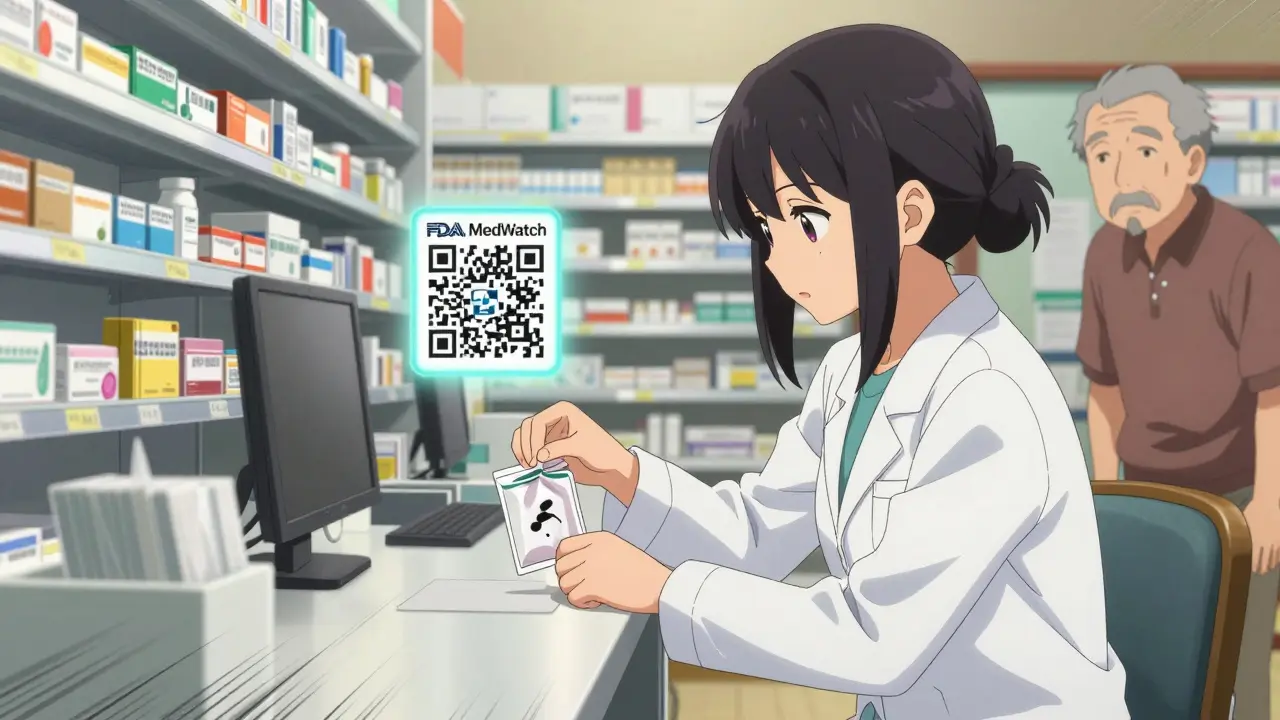
- Report to the FDA’s MedWatch program. This is the main U.S. system for reporting drug safety issues. You can file a report online at fda.gov/medwatch using Form 3500, or call 1-800-FDA-1088. The form takes about 12-15 minutes to complete. You’ll need: the drug name, manufacturer, batch number, expiration date, where you bought it, and a description of what looked wrong.
- Call your pharmacy. Let them know what you found. Pharmacies are required to report suspicious products to the FDA within 24 hours under the Drug Supply Chain Security Act (DSCSA). They may also be able to help you get a replacement.
- Report to the manufacturer. Most major drug companies have direct reporting channels. Eli Lilly, for example, asks patients to contact them directly via phone or email. Novo Nordisk has a dedicated anti-counterfeiting line. Find the contact info on the official website-never use a number from the suspicious packaging.
According to FDA data, reports with high-resolution photos of the packaging and batch numbers are 68% more likely to lead to a successful investigation. So if you can, take clear pictures before you report.
What Healthcare Professionals Should Do
If you’re a pharmacist, nurse, or doctor and you spot a counterfeit or tampered medication, your role is even more critical. You’re often the first line of defense.- Do not dispense it. If a prescription looks forged-different ink, handwriting, or a call-back number that’s actually the patient’s phone-hold it and contact local law enforcement. The DEA’s Pharmacist’s Guide lists these as red flags.
- Report within 24 hours. Under the DSCSA, pharmacies and distributors must notify the FDA within one day of identifying a suspect product. Use the 3911 platform in CDER NextGen or email Form FDA 3911 to [email protected].
- Document everything. Include: product name, batch, expiration, manufacturer, supplier name and address, and a detailed description of the issue. The International Council of Nurses says this is the bare minimum for a usable report.
- Report controlled substances to the DEA. If it’s a narcotic like oxycodone or Adderall, file a report with the DEA’s RxAbuse Tip Line at (571) 324-6499 or online at dea.gov/diversion. This is anonymous and fast.
Between 2015 and 2022, FDA investigations triggered by professional reports removed over 2,300 counterfeit products from U.S. markets. But speed matters. Reports filed within 24 hours led to product removal 4.2 times faster than those filed after 72 hours.
International Reporting Options
If you’re outside the U.S., here’s where to turn:- Canada: Report suspected forged prescriptions to your provincial drug program (e.g., Ontario’s [email protected]). For controlled substances, notify Health Canada within 10 days using their CS-GD-005 guidelines.
- Worldwide: The WHO’s Global Surveillance and Monitoring System accepts reports from any country. You can submit through your national health authority or directly via WHO’s portal.
- Online marketplaces: Amazon, eBay, and other platforms have reporting tools. In 2022, Amazon received over 7,800 pharmaceutical counterfeit reports-up 37% from the year before.
Even if you’re not in the U.S., report to your local health agency. Global systems like the FIP Safety Net and Pharmaceutical Security Institute share data across borders. A fake pill sold in Mexico can be traced back to a lab in India-and your report helps stop it.
Why Your Report Matters
People often think: “One pill won’t make a difference.” But here’s the truth:- 73% of successful DEA investigations in San Diego between 2018-2020 started with a public tip.
- Over 1,500 cases of fake drugs have been confirmed by WHO since 2013, mostly from public reports.
- The global counterfeit drug market is worth $205 billion a year. It thrives because people don’t report.
When you report, you’re not just protecting yourself. You’re protecting your neighbor, your parent, your child. A single report can trigger a nationwide recall. In 2023, a pharmacist in Ohio reported a fake version of metformin. That led to the discovery of 142 affected lots across 17 states.
What Happens After You Report?
You might not hear back right away-and that’s normal. The FDA gets thousands of reports. But here’s what happens behind the scenes:- Your report is logged and assigned a case number.
- If it includes batch numbers or photos, it’s prioritized for investigation.
- The FDA may contact the manufacturer or distributor to verify the product.
- If confirmed fake, the product is pulled from shelves and the public is warned.
- Law enforcement may trace the supply chain to shut down illegal labs or sellers.
Don’t expect a phone call. But if you’re worried, you can call MedWatch at 1-800-FDA-1088 and ask for your case status. The FDA’s 2022 survey showed consumers were less satisfied with follow-up than healthcare workers-67% of dissatisfied users said they never heard back. So if you don’t hear anything after two weeks, call again. Persistence saves lives.

What Not to Do
Avoid these common mistakes:- Don’t confront the seller. If you bought it online or from a shady pharmacy, don’t argue. Just report.
- Don’t take the medication. Even if it looks normal, fake pills can contain lethal doses of fentanyl.
- Don’t wait to report. The longer it stays on the market, the more people are at risk.
- Don’t rely on “trusted” online pharmacies. The National Association of Boards of Pharmacy found that 96% of online pharmacies operating without U.S. licenses are illegal.
What’s Changing in 2026?
The system is getting better. In 2024, the FDA plans to integrate blockchain verification into its reporting platform, making it harder for fakes to slip through. They’re also testing a smartphone app that lets you snap a photo of a pill and automatically extract the batch number and manufacturer info-cutting report time from 14 minutes to under 4.The WHO is using AI to scan images of packaging from around the world, spotting fakes with 94% accuracy. And by 2027, global health agencies aim to have all reporting systems talking to each other-so a fake pill in Brazil triggers a warning in Germany.
But none of this works without you.
What if I’m not sure whether a medication is fake?
You don’t need to be certain. If something seems off-wrong color, smell, texture, or effect-report it anyway. The FDA and WHO are trained to investigate suspicious reports, even if they turn out to be false alarms. It’s better to report and be wrong than to stay silent and risk someone’s life.
Can I report a counterfeit medication anonymously?
Yes. You can report to the DEA’s RxAbuse Tip Line anonymously. The FDA’s MedWatch system also allows anonymous reports. You’ll be asked for contact info to follow up, but you’re not required to provide it. Your identity is protected by law.
How long does it take to get a response after reporting?
There’s no guaranteed timeline. The FDA processes thousands of reports. Some get reviewed within days; others take weeks. If you provided a batch number or photo, your report is prioritized. If you haven’t heard back after 14 days, call MedWatch at 1-800-FDA-1088 and ask for your case status.
What if I bought fake medicine from a local pharmacy?
Report it immediately to the FDA and your state’s pharmacy board. Pharmacies are legally required to report suspicious products to the FDA within 24 hours. If they didn’t, your report may trigger an inspection. In 2022, 17 warning letters were issued to distributors for failing to report on time.
Is it safe to buy medication online?
Only buy from pharmacies that require a prescription and are licensed in your state. Look for the VIPPS seal (Verified Internet Pharmacy Practice Sites) on the website. The National Association of Boards of Pharmacy found that 96% of online pharmacies without this seal are operating illegally. Never buy from sites that offer “no prescription needed” or sell medications at prices that seem too good to be true.
Next Steps
If you’ve never reported a fake drug before, start today. Keep a small notebook or phone note with the contact info for MedWatch (1-800-FDA-1088), the DEA Tip Line (571-324-6499), and your pharmacy’s number. If you’re caring for an elderly relative or someone on chronic medication, make sure they know what to look for and how to report.Counterfeit drugs don’t just harm individuals-they erode trust in the entire healthcare system. Every report you file helps strengthen that trust. You don’t need to be a scientist or a cop. You just need to be observant-and brave enough to speak up.

Comments (11)
Demetria Morris
I’ve seen too many people ignore weird-looking pills because they ‘don’t want to cause a fuss.’ But guess what? That’s how people die. I reported a fake Adderall last year-batch number matched a recall I found online. No one thanked me. But I slept fine knowing I stopped someone else from swallowing poison.
Don’t wait for proof. Trust your gut. The system works when we push it.
And yes, I took pictures. Always take pictures.
Geri Rogers
YESSSS!! 🙌 I’m a pharmacist and I’ve pulled 3 fake insulin vials off the shelf this year alone. One had the wrong font on the label-looked like it was printed on a 2005 HP printer. 😡
PLEASE, if you’re a patient: don’t be shy. Call your pharmacy, call the FDA, DM me if you need help filling out Form 3500. I’ll walk you through it. You’re not bothering anyone-you’re saving lives.
And if you bought meds from some sketchy ‘Canadian’ site? Stop. Just stop. Those aren’t ‘discounts,’ they’re death sentences. 💔
Samuel Bradway
My grandma took a fake metformin last winter. She didn’t even know it was fake-just thought her sugar was acting up. Turned out the bottle had no batch number, and the pills were softer than they should’ve been.
We reported it. Took three weeks to hear anything. But they pulled 87 lots after that. She’s fine now. Just… don’t wait until it’s too late. Report even if you’re scared.
It’s not about being right. It’s about being brave.
Caleb Sutton
This whole thing is a scam. The FDA doesn’t care. They’re paid by Big Pharma to scare you into reporting so they can justify their budgets. Fake drugs? Sure. But the real threat is the government using this to track your prescriptions. They’re building a database. You think they don’t know who bought what?
Don’t report. Don’t give them the data. Let the pills kill a few people. Then maybe the system will collapse and we can start over.
They want you to feel powerless. Don’t play along.
pradnya paramita
From a clinical pharmacovigilance perspective, the DSCSA-compliant reporting framework is non-negotiable for traceability in the pharmaceutical supply chain. The 3911 platform, when leveraged via CDER NextGen, ensures real-time serialization validation and enables rapid adverse event correlation across distributed nodes.
Moreover, the integration of blockchain-based DSCSA 2023 Phase 3 protocols enables immutable product pedigree logging-critical for cross-border counterfeit attribution. The WHO’s AI-driven packaging analytics, trained on FIP Safety Net datasets, achieve >94% F1-score in counterfeit detection.
Always validate the UDI-DI against the GUDID registry before reporting. Otherwise, your case may be flagged as low-priority due to insufficient metadata.
Roshan Gudhe
It’s funny how we treat medicine like a product you can just buy online like sneakers. But it’s not. It’s a covenant between science and human life.
When you report a fake pill, you’re not just protecting yourself-you’re honoring the scientists who spent 12 years developing it. The nurses who administered it. The families who rely on it.
Maybe we’ve lost sight of that. Maybe we think ‘someone else’ will handle it.
But no. It’s always us.
And that’s not a burden. It’s a privilege.
Rachel Kipps
i just want to say that i read this whole thing and it was very helpful. i didnt know about the medwatch thing. i think i saw a weird pill last month but i wasnt sure. now i know i should have reported it. maybe next time.
also i think the website link might be broken? i tried clicking it and it said page not found. maybe check that? thanks :)
Prajwal Manjunath Shanthappa
Let’s be honest: the average person doesn’t have the cognitive capacity to discern counterfeit packaging. You’re asking laypeople to act as forensic pharmacologists? This is performative governance. The FDA should be deploying AI-powered scanning kiosks in pharmacies-not begging citizens to take pictures of pills.
And don’t get me started on the WHO’s ‘global surveillance system.’ It’s a bureaucratic mirage. 80% of reports from developing nations are never followed up. You’re not saving lives-you’re feeding a data-hungry machine.
Meanwhile, the real issue? Unregulated pharmaceutical manufacturing in China and India. But no one wants to say that. Too ‘xenophobic.’
Wendy Lamb
My mom’s on blood pressure meds. I now check every bottle. Different color? Different shape? I call the pharmacy. No drama. Just facts.
It’s easy. Just look. Report. Done.
You don’t need to be a hero. Just be careful.
Antwonette Robinson
Wow. A whole 2,000-word essay on how to report a pill. Did we forget that most people don’t even know what their medication is for? Or that 40% of Americans can’t read beyond a 6th-grade level?
So you want grandma to fill out Form 3500 while her arthritis flares up? Brilliant.
Meanwhile, the real solution? Make pharmacies legally liable for dispensing unverified meds. Not ‘please report if you notice something weird.’
Just fix the system. Not the people.
Jhoantan Moreira
Thank you for writing this. Seriously.
I’m from the UK, and I didn’t realize how much of this applies globally. I’ve shared it with my sister in India and my cousin in Canada.
It’s easy to feel powerless. But this? This is a way to be part of the solution.
And if you’re reading this and you’re scared to report? You’re not alone. But you’re also not alone in your courage.
One report. One life saved.
❤️