Imagine you just received some bad news from your doctor. Maybe a blood test came back higher than expected, or a new diagnosis landed on your desk. In that moment of anxiety, you look at the prescription. It’s for a generic medication. But suddenly, a headline pops into your head: “Contaminated Generic Drugs Reveal an Urgent Public Health Crisis.” Do you take it? Or do you ask for the expensive brand-name version instead?
This isn’t just hypothetical. Research shows that media coverage plays a massive role in how we view our medicine. Even though science confirms that generic drugs are therapeutically equivalent to their brand-name counterparts, public confidence remains shaky. Why? Because headlines don’t always tell the whole story. They often highlight fear, omit context, and lean heavily on brand names, creating a psychological gap between what is safe and what feels safe.
The Brand Name Bias in News Reporting
When you read a news article about a new study on heart medication, what name does the drug go by? Chances are, it’s the brand name. A pivotal study published in the JAMA Network back in 2014 uncovered a startling trend: only 2% of newspapers had written policies requiring journalists to use generic names. Another 18% had unwritten preferences for them, but that’s still leaving nearly 80% of outlets defaulting to brands.
Why does this matter? It matters because repetition builds familiarity, and familiarity breeds trust. When media consistently uses brand names like Lipitor or Zoloft, they reinforce the idea that the brand is the “real” thing. Meanwhile, the generic alternative-atorvastatin or sertraline-remains invisible to the average reader. This isn’t just a naming convention; it’s a psychological cue. We tend to associate brand names with higher quality and safety, even when there is no scientific basis for that assumption.
Furthermore, these articles frequently fail to disclose who funded the research. If a pharmaceutical company pays for a study that highlights the benefits of their brand-name drug, and the newspaper doesn’t mention that funding source, the public gets a skewed perspective. We assume the information is neutral, but it’s often shaped by corporate interests. This lack of transparency erodes trust in the entire system, making patients suspicious of any medication that isn’t backed by a familiar logo.
The Fear Factor: How Negative Stories Stick
Human brains are wired for negativity bias. We pay more attention to threats than to reassurances. Think about the last time you heard about a food recall versus a restaurant getting a perfect health inspection score. Which one stuck with you? Likely the recall. The same dynamic applies to pharmaceuticals.
Headlines like “Medicines Made in India Set Off Safety Worries” or “How Some Generic Drugs Could Do More Harm Than Good” grab attention. They trigger fear. And once that fear is planted, it’s hard to remove. A report from Commetric in 2019 noted that while 84% of all prescriptions dispensed in the US are generics, substantial mistrust persists. This mistrust is fueled by isolated incidents that get amplified by media coverage.
For example, if a specific batch of a generic antibiotic fails quality checks, it becomes national news. But when millions of batches pass inspection without incident, that doesn’t make the front page. The result is a distorted reality where risks seem common and successes seem invisible. Patients start to believe that generics are inherently riskier, despite regulatory bodies like the FDA ensuring strict equivalence standards.
The 90-Day Window: Anxiety and Decision Making
There is a specific timeframe where media influence hits hardest. A study from the University of Texas at Dallas found that the negative impact of bad medical news on generic drug selection is most pronounced within the first 90 days following health test results. During this window, patients are vulnerable. They are processing new information, feeling uncertain, and looking for control.
In this state of heightened anxiety, the perceived safety of a brand-name drug outweighs the cost savings of a generic. Patients actively choose the more expensive option because they want to minimize any potential variable in their treatment. It’s a classic case of paying for peace of mind. However, this decision can have long-term consequences. Higher costs may lead to skipped doses later on, which ironically compromises treatment adherence more than taking the generic would have.
This 90-day period is critical for healthcare providers. It’s the time when a simple conversation can counteract months of negative media conditioning. If a doctor explains why the generic is safe during this vulnerable window, they can anchor the patient’s confidence before skepticism takes root.
The Knowledge Gap: What Patients Don’t Know
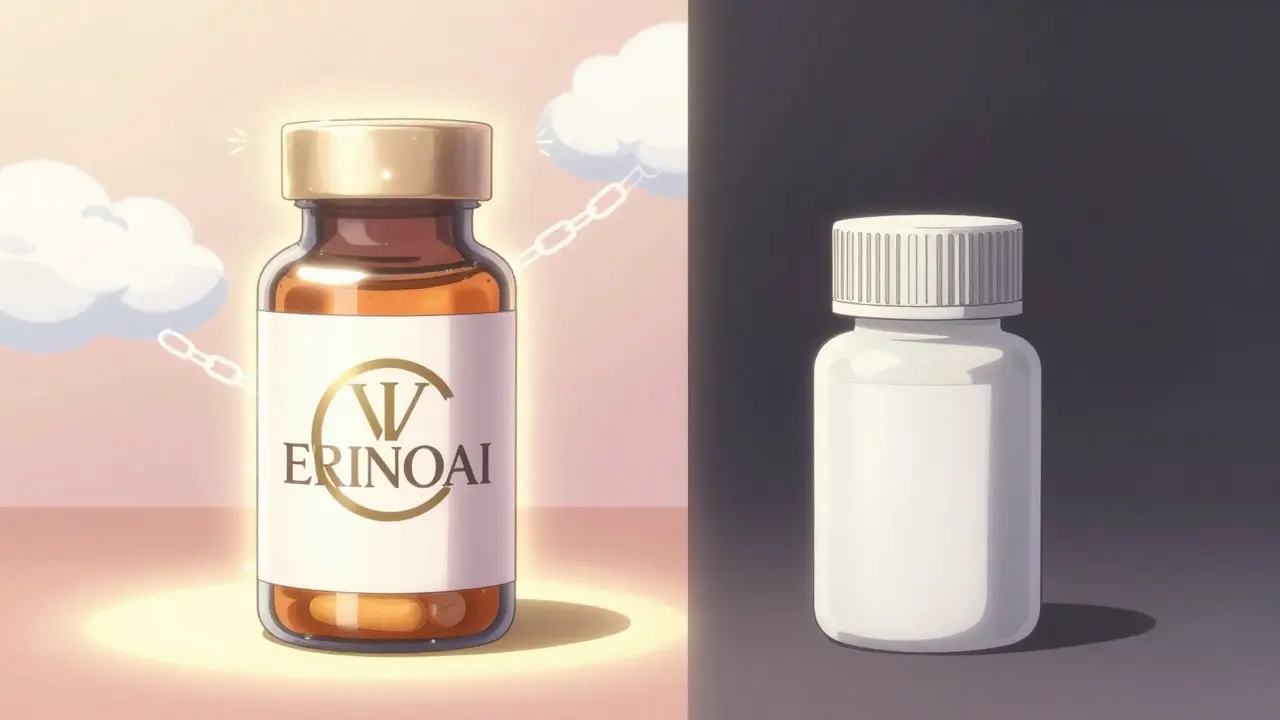
Beyond media influence, there is a fundamental lack of knowledge about how generics work. A 2023 study published in PMC revealed that only 17% of respondents could recognize a generic medicine package. Approximately 40% failed to correctly differentiate between generic and brand medicines. These aren’t just trivia stats; they indicate a deep educational void.
Many patients believe that generics are “copies” that might be inferior or even counterfeit. They don’t realize that the FDA requires generic manufacturers to prove bioequivalence. This means the generic must deliver the same amount of active ingredient into the bloodstream over the same amount of time as the brand-name drug. Minor differences in inactive ingredients-like fillers or dyes-are allowed, but they do not affect therapeutic outcomes.
Dr. Sarah Ibrahim, whose research was highlighted by the FDA in 2023, confirmed that patients generally recognize generics have the same active ingredients, yet perceptions of efficacy and safety remain mixed due to uncertainties about formulation differences. This uncertainty is fertile ground for myths to grow. Without clear education, patients rely on anecdotes and headlines rather than scientific evidence.
| Misconception (Fueled by Media/Myth) | Scientific Reality | Impact on Patient Behavior |
|---|---|---|
| Generics are less effective. | FDA requires proof of bioequivalence; same active ingredient and dosage. | Patients skip doses or switch to brands, increasing costs. |
| Generics are unregulated or unsafe. | Manufacturing facilities undergo the same rigorous inspections as brand-name producers. | Distrust leads to refusal of prescribed treatments. |
| Brand names are the “original” and therefore better. | Brand patents expire; generics enter market after proving equivalence. | Preference for brands despite identical therapeutic outcomes. |
| Price increases in generics mean poor quality. | Prices fluctuate based on competition; prices drop ~20% with 3+ competitors. | Confusion about value proposition; abandonment of cost-saving options. |
The Role of Healthcare Providers as Trusted Messengers
If media creates doubt, who restores confidence? The answer is surprisingly simple: your doctor or pharmacist. A systematic review published in PMC (2015) identified that patient trust in physicians often overrules personal mistrust of generic medicines. This makes healthcare providers the frontline defense against media-driven skepticism.
However, providers themselves can be influenced. The same review noted that beyond patients, healthcare professionals can be negatively predisposed towards generics. If a doctor harbors doubts, they won’t advocate strongly for generics. Therefore, educating providers is just as important as educating patients.
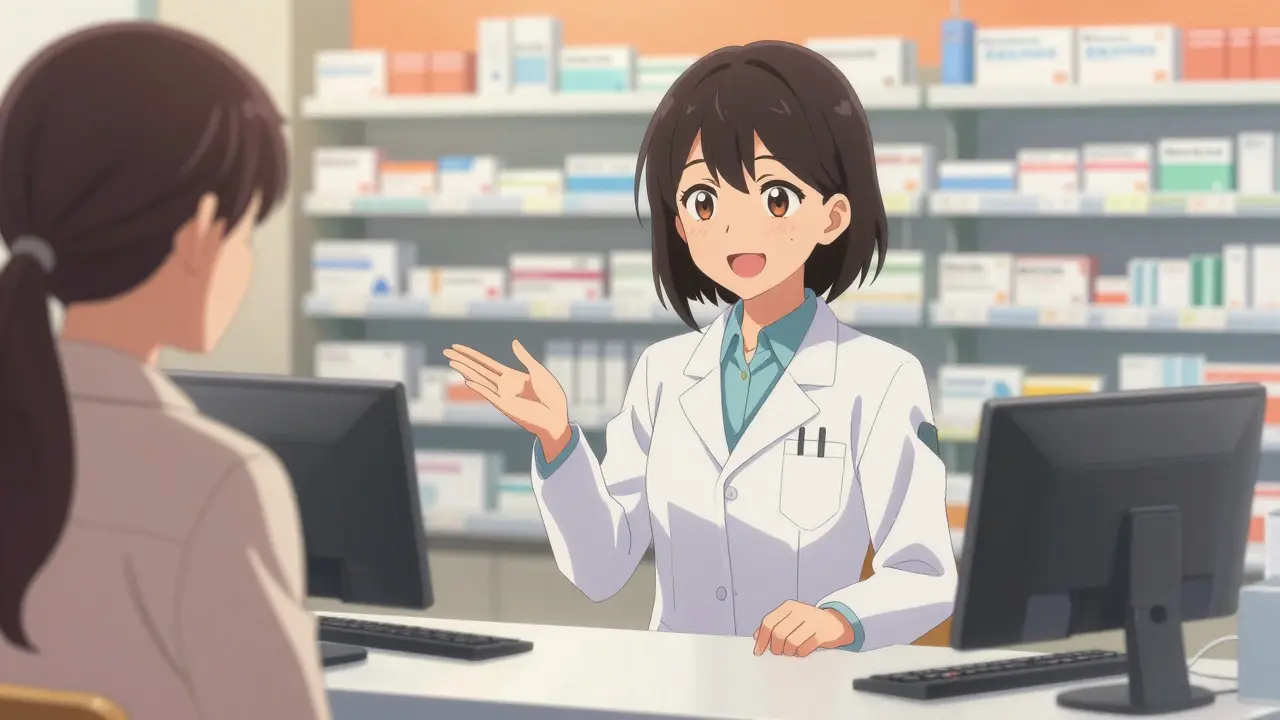
Pharmacists are in a unique position to bridge this gap. They handle the medication directly and explain usage instructions. A 2023 article in US Pharmacist emphasized that communication between healthcare providers and patients significantly improves patient perceptions. When a pharmacist takes the time to explain that the generic they are handing over meets the same high standards as the brand, it reduces anxiety. It transforms the pill from a mysterious object into a trusted tool.
Dr. Roach, cited in FDA research, noted that simply talking with patients about switching from brand-name to generic drugs can increase their confidence. The key is conveying the FDA’s commitment to holding ALL approved products to high standards of quality, safety, and efficacy. This direct reassurance counters the vague fears planted by sensational headlines.
Economic Context Missing from Headlines
Media coverage often focuses on isolated price spikes in generic drugs, creating a narrative that generics are becoming too expensive. While individual cases exist, this ignores the broader economic reality. A report from the HHS ASPE (2023) documented that drug prices decline by approximately 20% in markets with about three generic competitors. Competition drives prices down, benefiting consumers.
Yet, when a single generic manufacturer raises prices, it makes the news. When hundreds of generics lower costs, it goes unnoticed. This selective reporting distorts the public’s understanding of value. Patients begin to see generics as volatile and unreliable, rather than as the primary engine of affordability in the pharmaceutical market.
Understanding this economic context helps patients make informed decisions. Knowing that generics save money on a systemic level reinforces the rational choice to use them, even if a specific brand has a temporary price adjustment. It shifts the focus from short-term noise to long-term value.
Building Resilience Against Negative Narratives
So, how do we protect our confidence in generic medications? It starts with awareness. Recognize that media stories often prioritize drama over data. When you see a headline about generic drug safety, ask yourself: Is this an isolated incident? Is the funding source disclosed? Are they using the brand name or the generic name?
Secondly, leverage your healthcare team. Don’t hesitate to ask your doctor or pharmacist why they recommended a generic. Ask them to explain the equivalency standards. Their expertise provides a grounded perspective that cuts through media noise.
Finally, support initiatives that promote generic literacy. Organizations like the FDA are working on programs to improve public understanding, particularly for complex generics like inhalers and autoinjectors. By staying informed and engaging with credible sources, you can maintain confidence in your treatment plan regardless of what the news cycle says today.
Are generic drugs really the same as brand-name drugs?
Yes. The FDA requires generic drugs to demonstrate bioequivalence, meaning they contain the same active ingredient, dose, strength, and route of administration as the brand-name product. They must perform similarly in the body, though minor differences in inactive ingredients like colors or flavors may exist.
Why do news articles mostly use brand names?
Studies show that most newspapers lack policies requiring generic name usage. Brand names are often more recognizable to readers, and pharmaceutical companies may fund studies that highlight their brands. This practice reinforces brand loyalty and can skew public perception of generic alternatives.
Does negative media coverage actually change what doctors prescribe?
It can influence patient requests, which indirectly affects prescribing. Patients exposed to negative news may demand brand-name drugs, especially within 90 days of receiving bad health news. However, well-informed providers often counteract this by explaining the safety and efficacy of generics.
How can I trust a generic drug if I’ve seen scary headlines?
Trust is built through education and professional guidance. Talk to your pharmacist or doctor about the specific generic you’re taking. They can explain the regulatory standards it meets. Remember that isolated incidents make headlines, but millions of successful generic prescriptions do not.
Do generic drugs cost less for everyone?
Generally, yes. Generics are typically significantly cheaper than brand-name drugs because multiple manufacturers compete in the market. While prices can fluctuate, the presence of several generic competitors usually drives costs down by around 20%, making them a more affordable option for most patients.