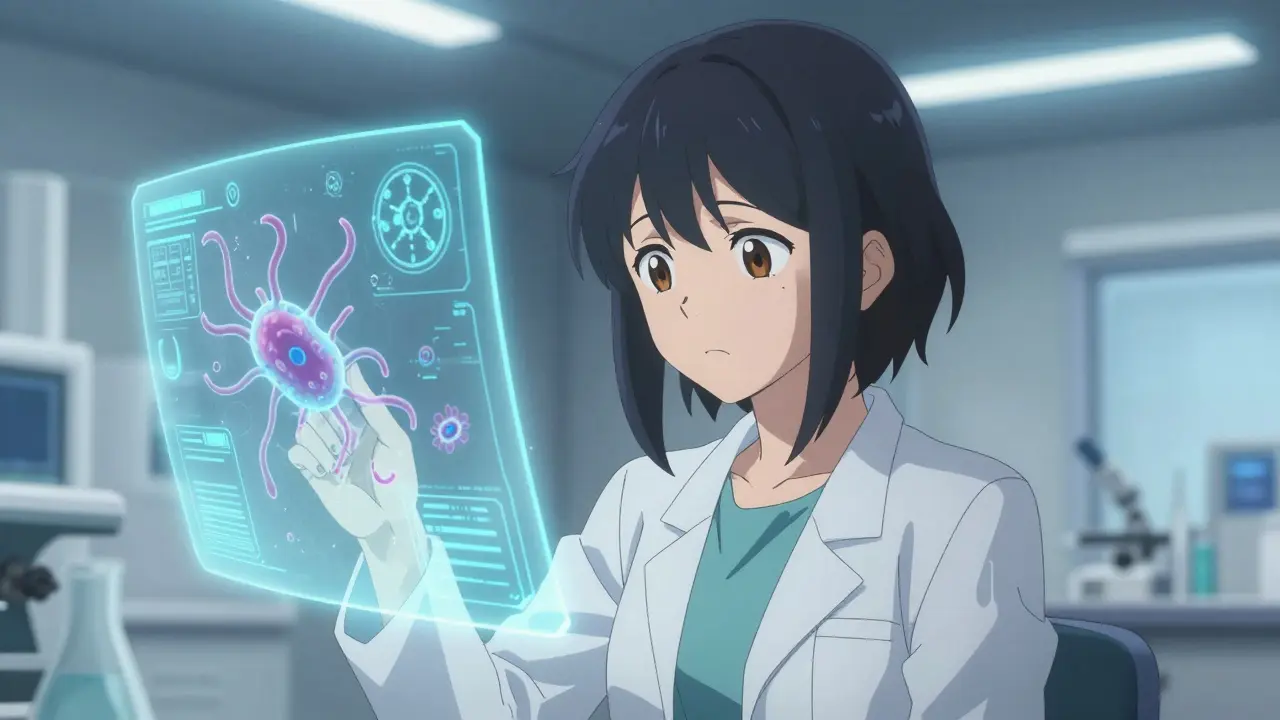
Imagine a world where a simple scratch from a rose thorn or a routine C-section becomes a life-threatening event. It sounds like a plot from a dystopian novel, but it's the reality we face if we don't get a handle on antibiotic resistance is the process where bacteria evolve mechanisms to withstand the drugs designed to kill them. We aren't just talking about a few "superbugs" in a hospital; we're talking about a global shift in how bacteria behave. According to the 2019 GRAM report, this crisis is already claiming about 1.27 million lives every year.
The problem isn't that humans are becoming resistant to medicine; it's that the bacteria themselves are changing. Every time we use an antibiotic improperly, we're essentially giving bacteria a training manual on how to survive. If we want to keep these life-saving drugs working, we need to understand the actual science of how bacteria mutate and, more importantly, how to use our prescriptions the right way.
How Bacteria Outsmart Our Medicine
Bacteria are survival experts. They don't just sit there and take it; they adapt. Recent research in 2024 and 2025 has shown that resistance isn't just a random accident-it's a structured evolutionary process. Bacteria typically use five main strategies to survive an attack:
- Blocking the door: They reduce permeability, making it harder for the drug to get inside.
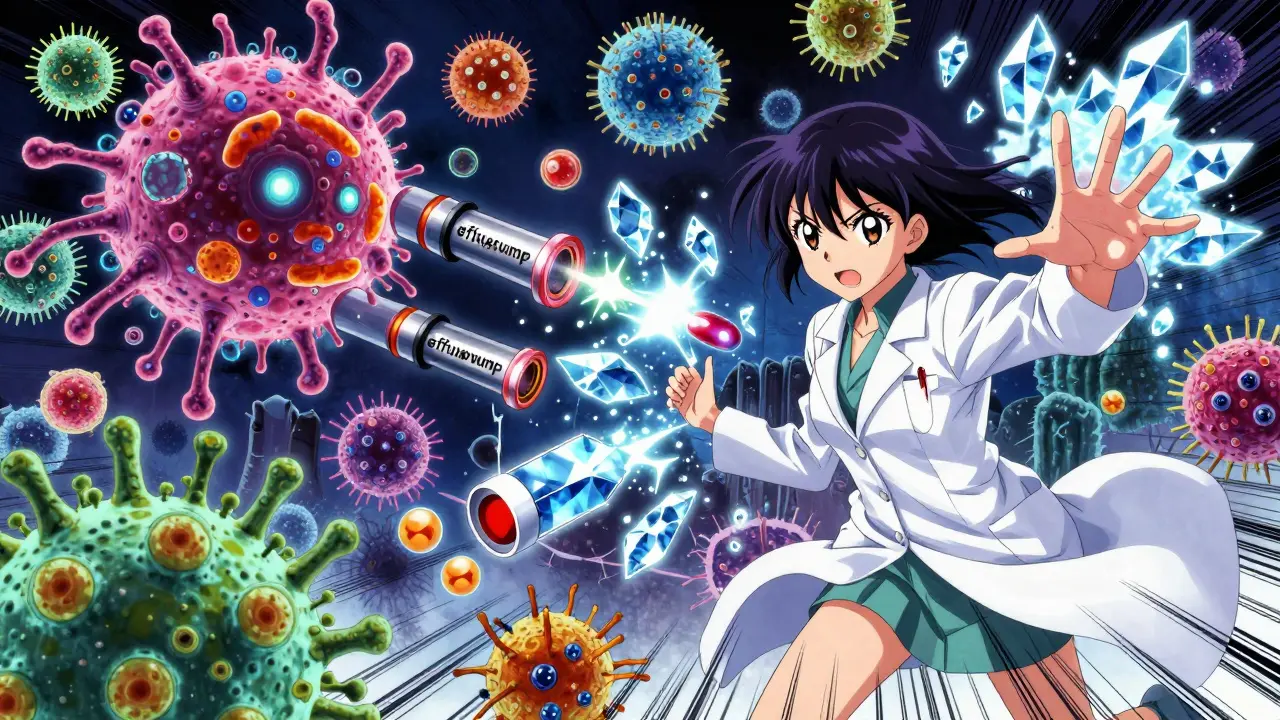
- Pumping it out: They develop efflux pumps, which act like tiny bilge pumps that eject the antibiotic before it can do any damage.
- Changing the lock: They modify the target site (like a protein) so the drug no longer "fits" and can't bind to the bacteria.
- Breaking the drug: They produce enzymes that chemically deactivate the antibiotic.
- Finding a detour: They alter their metabolic pathways to bypass the step that the antibiotic was designed to block.
One of the most fascinating discoveries from a 2025 EMBO Press study is the "two-step" nature of this evolution. Bacteria don't usually jump straight to permanent resistance. First, they use DNA methylation-essentially a chemical "on/off" switch-to create a temporary, flexible shield. Once they survive that initial wave, they develop permanent genetic mutations in their core metabolic genes to lock that resistance in place. This means that low-dose or inconsistent antibiotic use is actually the perfect training ground for bacteria to move from temporary survival to permanent resistance.
The Genetics of Survival: Mutations and Gene Transfer
When we look at the actual DNA of these bugs, the mutational landscape is surprisingly volatile. A 2024 study in Microbiology Spectrum found that only about 8% to 20% of the mutations bacteria develop early on actually last until the end. They are constantly "experimenting" with their genetic code to find the most efficient way to survive.
Specific drugs trigger specific mutations. For instance, resistance to amoxicillin often involves mutations in the ampC genes, while cefepime resistance usually involves pbp mutations. In some cases, like with tetracycline, the process is even more complex, involving the disruption of repressor proteins and the use of transposons (jumping genes) to crank up the production of efflux pumps.
It's not just about mutations, though. Bacteria are famous for "trading" secrets. Through horizontal gene transfer, one bacterium can simply hand a piece of resistance-granting DNA to another, even if they aren't the same species. This turns a single resistant strain into a localized epidemic very quickly.
| Mechanism | How it Works | Example Target/Drug | Permanence |
|---|---|---|---|
| Efflux Pumps | Ejects drug from cell | Tetracycline / Gram-negative species | High (Genetic) |
| Target Modification | Changes binding site | Cefepime (pbp mutations) | High (Genetic) |
| Enzymatic Inactivation | Chemically destroys drug | Amoxicillin (ampC genes) | High (Genetic) |
| Epigenetic Changes | Methylation of DNA | Core metabolic pathways | Transient/Early phase |
The Danger of "Just in Case" Prescribing
The biggest driver of this evolutionary arms race is how we use these drugs. The CDC has reported that up to 30% of outpatient antibiotic prescriptions in the U.S. are unnecessary. That's roughly 47 million prescriptions a year for things like the common cold or the flu-both of which are caused by viruses, not bacteria. Antibiotics do absolutely nothing to a virus, but they do a great job of killing the "good" bacteria in your gut, leaving a vacuum for resistant strains to move in and take over.
Even when an antibiotic is necessary, how you take it matters. Stopping a course early because you "feel better" is a dangerous move. When you stop early, you've killed the weakest bacteria, but the most resilient ones are still alive. You've essentially filtered for the strongest bugs, which can then multiply and spread, often carrying the very mutations we discussed earlier.
We also have to look beyond the doctor's office. The One Health approach reminds us that human health is tied to animal and environmental health. The use of antibiotics in livestock and the runoff of pharmaceuticals into water systems create massive "breeding grounds" for resistance. In fact, a 2025 study in Nature revealed that even non-antibiotic pharmaceuticals can help spread resistance genes among bacteria in the environment.
How to Be a Responsible Patient
You don't need a medical degree to help stop the spread of resistance. The goal is antimicrobial stewardship-using the right drug, at the right dose, for the right amount of time. Here is a practical checklist for your next visit to the clinic:
- Ask "Is this really necessary?": If you have a cough or a runny nose, ask your provider if it's likely viral. If it is, an antibiotic won't help you get better faster.
- Finish the entire bottle: Even if your symptoms vanish on day three, finish the full course. This ensures that even the most stubborn bacteria are eliminated.
- Never share meds: Taking a leftover pill from a friend's prescription is a recipe for disaster. You don't know if that drug is the right one for your specific infection.
- Prevent the need: Keep your vaccines up to date. Preventing an infection in the first place is the only 100% effective way to avoid needing antibiotics.
The Future of the Fight
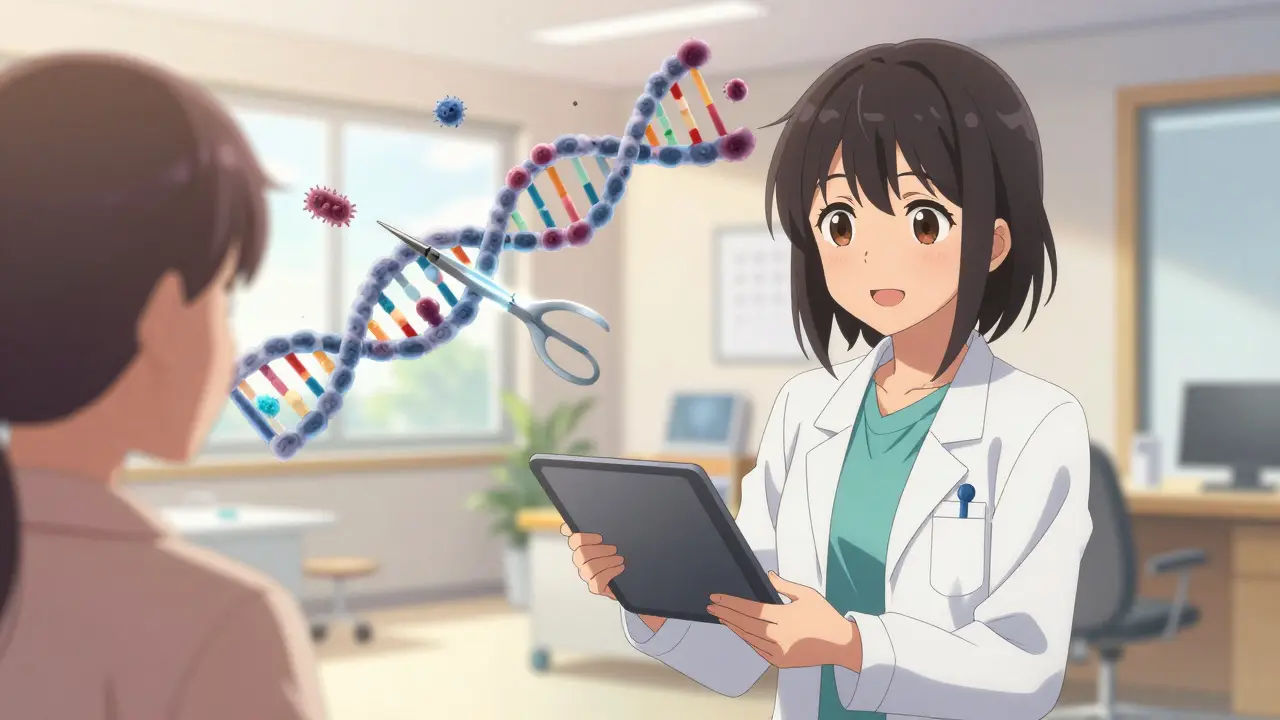
The good news is that science is fighting back. We are moving beyond just creating "stronger" versions of old drugs. Researchers are now using CRISPR/Cas9 gene editing to specifically target and snip out resistance genes from bacteria, essentially "resetting" them to be vulnerable to medicine again.
We're also seeing a shift toward bioinformatics and metabolomics to predict how bacteria will evolve before it even happens. The FDA recently approved new susceptibility breakpoints for carbapenem-resistant Enterobacterales, which allows doctors to be much more precise about which drug will actually work for a specific patient. However, the pipeline is slow; the WHO's 2024 report showed that out of 67 antibiotics in development, only 3 are truly innovative compounds capable of overcoming existing resistance.
Can I become resistant to antibiotics?
No, humans do not become resistant to antibiotics. Instead, the bacteria living in or on your body develop the resistance. The drug stops working because the bacteria have changed, not because your body has changed.
Why shouldn't I take antibiotics for a cold?
Colds and flus are caused by viruses. Antibiotics only kill bacteria. Taking them for a viral infection provides zero benefit and only serves to kill healthy bacteria in your system, which can lead to the development of resistant "superbugs."
What happens if I stop taking antibiotics halfway through?
When you stop early, you kill the easiest-to-treat bacteria but leave the most resilient ones behind. These survivors can then multiply, leading to a relapse of the infection that is now harder to treat because the remaining bacteria are more resistant.
Are there alternatives to antibiotics for bacterial infections?
While antibiotics are the primary tool for bacterial infections, new strategies like bacteriophage therapy (using viruses that eat bacteria) and CRISPR gene editing are being explored to target resistant strains specifically.
How does the 'One Health' approach help?
One Health recognizes that resistance moves between humans, animals, and the environment. By reducing antibiotic use in farming and improving waste management of pharmaceuticals, we can stop the creation of resistant strains before they ever reach human patients.
What to do next
If you are currently taking an antibiotic, your primary job is to follow the prescription exactly as written. If you have concerns about side effects or whether the drug is working, call your pharmacist or doctor rather than adjusting the dose yourself.
For those who want to help on a larger scale, support policies that encourage the development of new antimicrobial compounds and advocate for stricter regulations on antibiotic use in industrial agriculture. The window to prevent a "post-antibiotic era" is closing, but with a combination of smarter prescribing and cutting-edge science, we can keep these essential tools in our medical arsenal.


Comments (15)
Mark Koepsell
The mention of efflux pumps is critical here. Many people don't realize that these pumps are often encoded on plasmids, which facilitates the horizontal gene transfer mentioned later in the text.
Elizabeth Holden
everyone knows this already... like why do we need a whole arugment for this?? just dont stop your pills early. its common sense lol
Jenny X
The epigenetic changes part is a bit too convenient. It sounds like a cover for the actual systemic anomalies they aren't telling us about. I bet these "mutations" are actually triggered by specific frequencies or synthetic additives in the water supply to make us more dependent on the big pharmas proprietary CRISPR fixes.
J. Walter Jenkem
I appreciate the breakdown of the mechanisms. It helps make a complex topic accessible for everyone.
bharat films
Imagine thinking 3 innovative compounds is enough to save us 😂🤡 total failure of the system!
Mikaela -anonymous 😏
Oh wow... a rose thorn could kill me... how absolutely terrifying!!! I'm sure we're all just shaking in our boots right now... 🙄
kelvin villa saab
This is totaly absurd. People just dont care about their health anymore and the docs just prescribe stuff to make money. Its a joke!!
Spencer Farrell
The existential precariousness of our biological hegemony is laid bare by the sheer adaptive plasticity of prokaryotic organisms. It is a humbling reminder that the apex of human pharmaceutical ingenuity is frequently outpaced by the primitive yet efficient mechanism of natural selection.
Kartik Agarwal
The synergy between the horizontal gene transfer and the metabolic bypass pathways is where the real danger lies. We need more focus on the proteomic shifts occurring in these strains.
Kelly Feehely
Stop pretending this is about "accidental" misuse. The pharmaceutical companies WANT the drugs to stop working so they can charge ten times more for the next "innovation." It's a planned obsolescence of medicine and anyone who doesn't see that is just blind.
princess lovearies
It's really about balance and mindfulness in how we interact with nature. Maybe if we looked at the environment as part of ourselves, we wouldn't be in this mess.
Allison Maier
too long didnt read. just dont take meds for a cold 🙄
Jimmy Crocker
It is quite frankly an insult to the intellgent reader that the author assumes we lack the basic cognitive capacity to understand that the agriculturel industry-which is, as we all know, a grotesquely inefficient machine-is the primary catalyst for this entire catastrophe, and yet the text barely scratches the surface of the socio-economic implications of runoff in a way that is anything but pedestrian.
Alexa Mack
I wonder how different countries handle this. In some places, you can still buy antibiotics over the counter without a prescription, which must make the resistance problem way worse there.
Seema Karanje
WAKE UP PEOPLE! We need to stop being lazy and start demanding better regulations NOW! If you aren't pushing your doctors to stop over-prescribing, you are part of the problem! Let's get aggressive about saving our own lives before the superbugs win!