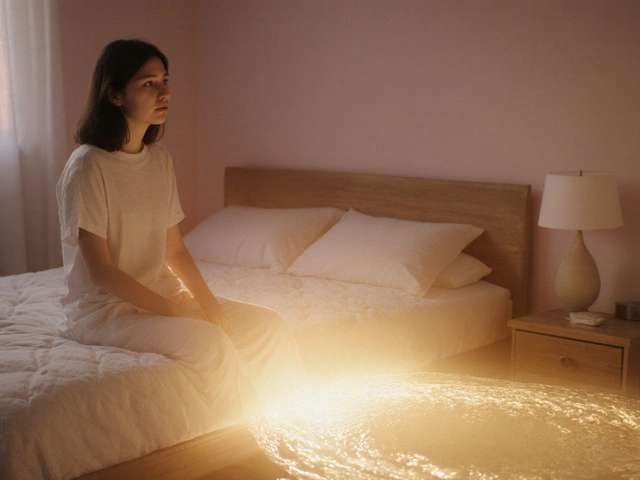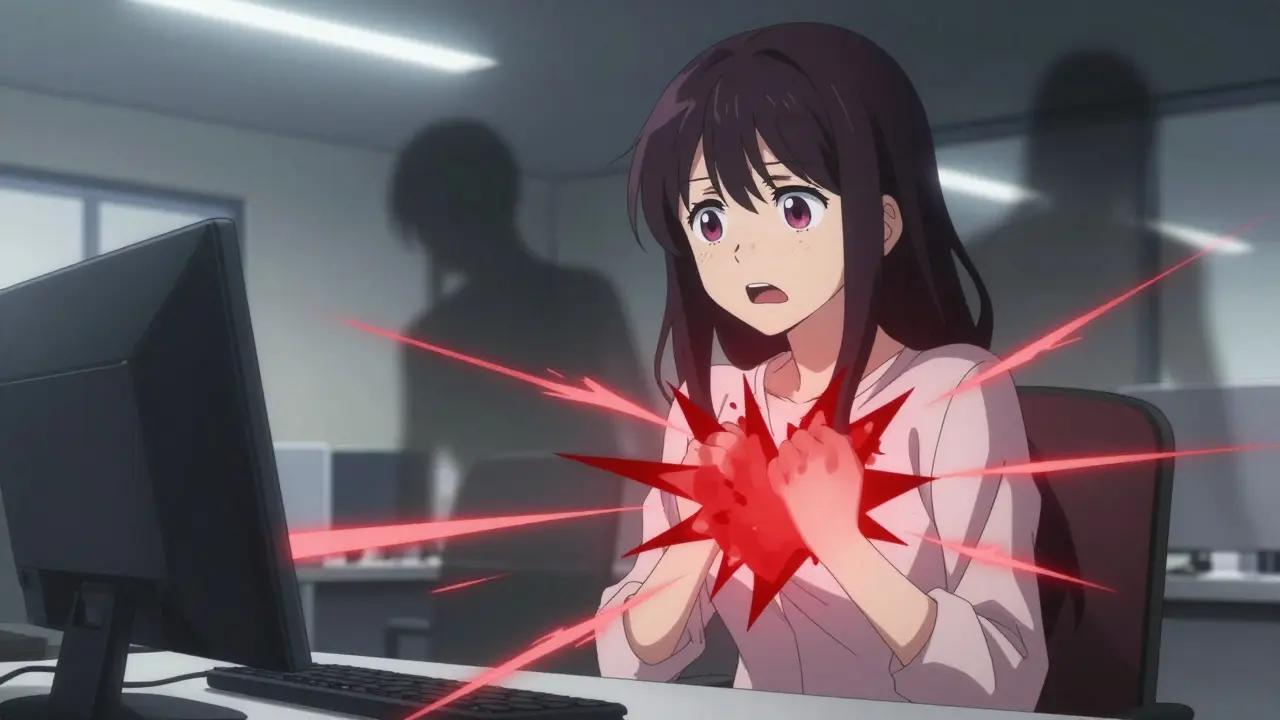
It starts with a racing heart. Maybe your chest feels tight, or you suddenly can’t catch your breath. You’re sitting at your desk, driving to work, or lying in bed-somewhere safe-but your body is screaming that you are in mortal danger. This isn’t just stress. It’s a panic attack, the hallmark of panic disorder, an anxiety condition marked by recurrent, unexpected episodes of intense fear. For millions of people, these moments are terrifying not just because of the physical symptoms, but because they happen without warning. One minute you are fine; the next, you feel like you are dying.
If this sounds familiar, you are not alone, and more importantly, you are not broken. Panic disorder is a well-understood medical condition with highly effective treatments. Understanding what is happening in your brain and body is the first step toward taking back control. Let’s break down what panic disorder really is, how it connects to agoraphobia, and exactly how modern medicine treats it.
What Is Panic Disorder?
Panic disorder is more than just having a bad day or feeling nervous before a speech. It is a clinical anxiety disorder defined by two main things: recurrent, unexpected panic attacks and persistent worry about having more attacks. According to the Diagnostic and Statistical Manual of Mental Disorders (DSM-5-TR), published by the American Psychiatric Association, a diagnosis requires that these attacks lead to at least one month of significant distress or behavioral changes, such as avoiding places where you think an attack might happen.
The prevalence is significant. Data from the National Institute of Mental Health shows that about 4.7% of U.S. adults experience panic disorder in their lifetime. It tends to strike early, with half of all cases starting before age 24. Women are affected twice as often as men, though researchers are still debating why this gender gap exists. Whether it’s hormonal factors, societal pressures, or biological differences, the impact is real and disruptive for those living with it.
Understanding the Physical and Psychological Symptoms
A panic attack is a sudden surge of overwhelming fear. The Mayo Clinic describes it as a period of intense discomfort that peaks within minutes. But what does that actually feel like? It’s a full-body alarm system going off when there is no fire.
Clinical data from the NHS lists 13 specific symptoms, and you need at least four for a panic attack diagnosis. Here is what that looks like in practice:
- Heart palpitations: Your heart pounds or races, often exceeding 120 beats per minute. This is reported by nearly 98% of patients.
- Sweating and trembling: You might shake uncontrollably and break out in a cold sweat.
- Breathing difficulties: Shortness of breath or a feeling of choking affects over half of sufferers.
- Chest pain: This is common (68% of cases) and is why so many people rush to the emergency room, fearing a heart attack.
- Dizziness and derealization: You might feel lightheaded or detached from reality, as if you are watching yourself from outside your body.
- Fear of losing control or dying: This psychological terror is central to the experience, affecting 80-85% of individuals during an episode.
These symptoms usually hit hard within 10 minutes and then fade, typically lasting between 5 and 20 minutes. However, the aftermath-the exhaustion and the dread of it happening again-can last much longer.
The Link Between Panic Disorder and Agoraphobia
One of the most challenging aspects of panic disorder is how it changes your behavior. When you’ve had a panic attack in a crowded store, on a bus, or even in your own home, your brain learns to associate those places with danger. This leads to avoidance. Over time, this avoidance can develop into agoraphobia, a condition characterized by fear or avoidance of situations where escape might be difficult or help unavailable if panic-like symptoms occur.
About 30-50% of people with panic disorder also develop agoraphobia. It’s not just about being shy or introverted. It’s a survival mechanism gone wrong. Common triggers include:
- Using public transportation (avoided by 62% of those with agoraphobia)
- Being in open spaces like parking lots or bridges
- Standing in lines or being in crowds
- Being outside the home alone (the most common trigger, avoided by 72%)
This avoidance creates a vicious cycle. The more you avoid a situation, the more fearful you become of it. Eventually, some people find themselves housebound, unable to leave without a trusted companion. Recognizing this link is crucial because treating panic disorder often means addressing these avoidance behaviors directly.

Why Does Panic Disorder Happen?
You didn’t choose to have panic disorder, and it’s not a sign of weakness. It’s a complex interplay of biology, genetics, and environment.
Neurobiology: Research from the University of Pennsylvania shows that people with panic disorder have amygdala activation that is 25% higher than average when exposed to threat stimuli. The amygdala is the brain’s fear center. In panic disorder, it’s overly sensitive, misinterpreting normal bodily sensations (like a slightly faster heartbeat after walking up stairs) as life-threatening emergencies. Additionally, the locus coeruleus-norepinephrine system is often dysregulated, leading to heightened noradrenergic activity during attacks.
Genetics: Twin studies suggest heritability rates between 30-48%. If a close family member has panic disorder, your risk is higher. However, genes load the gun; environment pulls the trigger.
Environmental Triggers: Major life stressors play a huge role. Longitudinal research from Harvard Medical School found that 65% of first-onset cases were preceded by significant stress events within the previous six months. Divorce, job loss, trauma, or even major positive changes can disrupt your nervous system’s balance.
Cognitive Factors: There is a concept called “anxiety sensitivity”-the fear of anxiety-related sensations themselves. If you believe that dizziness means you will faint, or that heart palpitations mean you will die, you are far more likely to develop panic disorder. A 2022 study in *Behaviour Research and Therapy* found that individuals with high anxiety sensitivity scores were 4.7 times more likely to develop the condition.
Evidence-Based Treatments That Work
The good news? Panic disorder is one of the most treatable mental health conditions. You do not have to live in fear. The gold standard for treatment involves a combination of therapy and, in some cases, medication.
Cognitive Behavioral Therapy (CBT)
CBT is the first-line treatment recommended by the American Psychological Association. It works by changing the thoughts and behaviors that maintain panic. Studies show efficacy rates of 70-80%, with patients experiencing 50-70% symptom reduction after 12-15 weekly sessions.
CBT for panic disorder includes three key components:
- Cognitive Restructuring: Learning to identify and challenge catastrophic thoughts. Instead of thinking “I’m having a heart attack,” you learn to say, “This is a panic attack. It is uncomfortable, but it is not dangerous.”
- Interoceptive Exposure: This sounds scary, but it’s powerful. Therapists deliberately induce physical sensations similar to panic (like spinning in a chair to cause dizziness or hyperventilating to cause tingling) in a safe environment. This helps your brain learn that these sensations are harmless.
- In Vivo Exposure: Gradually facing avoided situations. If you haven’t been on a bus in years, you start by standing near one, then riding one stop, then two, building confidence step by step.
Medication Options
For many, medication provides the stability needed to engage effectively in therapy. Selective Serotonin Reuptake Inhibitors (SSRIs) are the most commonly prescribed class of drugs. Medications like sertraline (Zoloft) and paroxetine (Paxil) adjust serotonin levels in the brain, reducing overall anxiety. They take 8-12 weeks to reach full effect but have response rates of 60-75%.
Benzodiazepines, such as alprazolam (Xanax), provide rapid relief by calming the nervous system quickly. However, they come with significant risks. The Substance Abuse and Mental Health Services Administration reports that 30-40% of long-term users develop physiological dependence. Because of this, doctors typically prescribe them only for short-term crisis management or while waiting for SSRIs to kick in.
Newer Approaches
Treatment is evolving. D-cycloserine, an antibiotic that enhances learning in the brain, is sometimes used alongside exposure therapy to speed up progress. Digital therapeutics are also gaining ground. The FDA cleared the first digital therapeutic specifically for panic disorder, 'CalmWave,' in May 2023. It delivers CBT with biometric feedback and showed 62% remission rates in trials. Apps like 'Panic Relief' from Columbia University offer accessible tools for breathing retraining and cognitive restructuring, bridging the gap between therapy sessions.
| Treatment Type | How It Works | Time to Effect | Key Considerations |
|---|---|---|---|
| Cognitive Behavioral Therapy (CBT) | Restructures thoughts and exposes patient to feared sensations/situations | 4-12 weeks | High efficacy (70-80%), low relapse rate, requires active participation |
| SSRIs (e.g., Sertraline) | Increases serotonin availability in the brain | 8-12 weeks | First-line medication, may cause initial nausea or sexual side effects |
| Benzodiazepines (e.g., Alprazolam) | Calms the central nervous system rapidly | Minutes to hours | Risk of dependence (30-40%), not recommended for long-term monotherapy |
| Digital Therapeutics | App-based CBT with biometric feedback | Variable | Accessible, good for maintenance, lower cost, emerging evidence base |

Living With Panic Disorder: Practical Steps
Recovery is rarely a straight line. Even with treatment, you might have occasional panic attacks. The goal isn’t necessarily to never feel anxiety again, but to remove the fear of the fear itself. Here is how to build a resilient life:
- Practice Breathing Techniques: Diaphragmatic breathing can help calm your nervous system during an attack. Try inhaling for 4 seconds, holding for 4, and exhaling for 6.
- Maintain a Routine: Regular sleep, exercise, and meals stabilize your body’s chemistry. Caffeine and alcohol can trigger attacks, so monitor your intake.
- Use Grounding Techniques: When you feel dissociation creeping in, use the 5-4-3-2-1 method: Identify 5 things you see, 4 you can touch, 3 you hear, 2 you smell, and 1 you taste.
- Join a Support Group: Sharing experiences with others who understand can reduce isolation. Online communities and local groups provide valuable peer support.
- Plan for Relapse: Stressful life events can trigger recurrences. Having a relapse prevention plan, including booster therapy sessions, ensures you stay on track.
Dr. Murray B. Stein from UC San Diego notes that combining CBT with SSRI medication produces remission rates of 85%, compared to 65-70% with either alone. This integrated approach is often the best path forward, especially for severe cases.
When to Seek Help
If you suspect you have panic disorder, don’t wait. Early intervention prevents the development of agoraphobia and other complications. Start with your primary care provider to rule out physical causes like thyroid issues or heart conditions. Then, seek a referral to a mental health professional specializing in anxiety disorders. Look for therapists trained in CBT. If you are in crisis, remember that emergency services are available, though try to communicate that you are experiencing a panic attack to avoid unnecessary medical interventions.
Panic disorder is manageable. With the right tools, knowledge, and support, you can move from a life ruled by fear to one filled with freedom and possibility. You have survived every panic attack you’ve ever had. Now, it’s time to learn how to thrive despite them.
How long does a panic attack last?
Most panic attacks peak within 10 minutes and subside within 20 to 30 minutes. However, the residual feelings of anxiety and exhaustion can last for several hours. Some individuals report milder symptoms persisting for up to an hour.
Can panic disorder go away on its own?
While some people may experience periods of remission, panic disorder is generally considered a chronic condition that benefits significantly from treatment. Without intervention, symptoms often wax and wane, and there is a high risk of developing agoraphobia or depression. Active treatment greatly improves long-term outcomes.
Is agoraphobia the same as social anxiety?
No, they are distinct conditions. Social anxiety involves fear of judgment or embarrassment in social situations. Agoraphobia involves fear of situations where escape might be difficult or help unavailable if panic symptoms occur, such as crowds, public transport, or open spaces. While they can co-occur, the underlying fears are different.
Are benzodiazepines safe for long-term use?
Generally, no. Benzodiazepines carry a significant risk of dependence and tolerance, with 30-40% of long-term users developing physiological addiction. They are best used for short-term crisis management or as a bridge while waiting for SSRIs to take effect. Long-term management should focus on CBT and non-addictive medications.
What is interoceptive exposure?
Interoceptive exposure is a CBT technique where patients deliberately induce physical sensations associated with panic (like dizziness, rapid heartbeat, or shortness of breath) in a controlled setting. This helps desensitize the patient to these sensations, teaching the brain that they are harmless and not indicative of danger.
How effective is CBT for panic disorder?
CBT is highly effective, with studies showing 70-80% efficacy rates. Most patients experience a 50-70% reduction in symptoms after 12-15 weekly sessions. It is considered the gold standard for treatment due to its durability and lack of side effects compared to medication alone.
Can lifestyle changes help manage panic attacks?
Yes. Reducing caffeine and alcohol intake, maintaining regular exercise, practicing mindfulness or meditation, and ensuring adequate sleep can significantly reduce the frequency and intensity of panic attacks. These changes support the nervous system’s ability to regulate stress responses.
What should I do during a panic attack?
Remind yourself that the attack is temporary and not dangerous. Focus on slow, deep diaphragmatic breathing. Use grounding techniques to reconnect with your surroundings. Avoid fighting the sensations; instead, observe them without judgment. If possible, move to a quiet, comfortable space until the peak passes.
Is panic disorder genetic?
There is a genetic component, with heritability estimates ranging from 30-48%. Having a close relative with panic disorder increases your risk. However, environmental factors and life stressors also play a critical role in triggering the onset of the disorder.
What are digital therapeutics for panic disorder?
Digital therapeutics are software-based interventions designed to treat medical conditions. For panic disorder, apps like 'CalmWave' deliver structured CBT programs with biometric feedback. They offer accessible, scalable treatment options that have shown promising results in clinical trials, particularly for maintenance and mild-to-moderate cases.