
Imagine taking two medications that are designed to calm you down, but when combined, they don't just relax you-they actually tell your brain to stop breathing. This is the dangerous reality of mixing opioids and benzodiazepines. While both are useful for specific medical needs, using them together creates a synergistic effect that can lead to coma or death. If you or a loved one are prescribed both, understanding why this combination is a "red flag" in medicine is literally a matter of life and death.
Quick Safety Summary
- The Danger: Combining these drugs can slow or stop your breathing (respiratory depression).
- The Risk: Overdose death rates are up to 10 times higher when both drug classes are used compared to opioids alone.
- Warning Signs: Extreme sleepiness, shallow breathing, confusion, and slurred speech.
- Critical Rule: Never start, stop, or change the dose of these medications without a doctor's direct supervision.
Why the Combination is So Dangerous
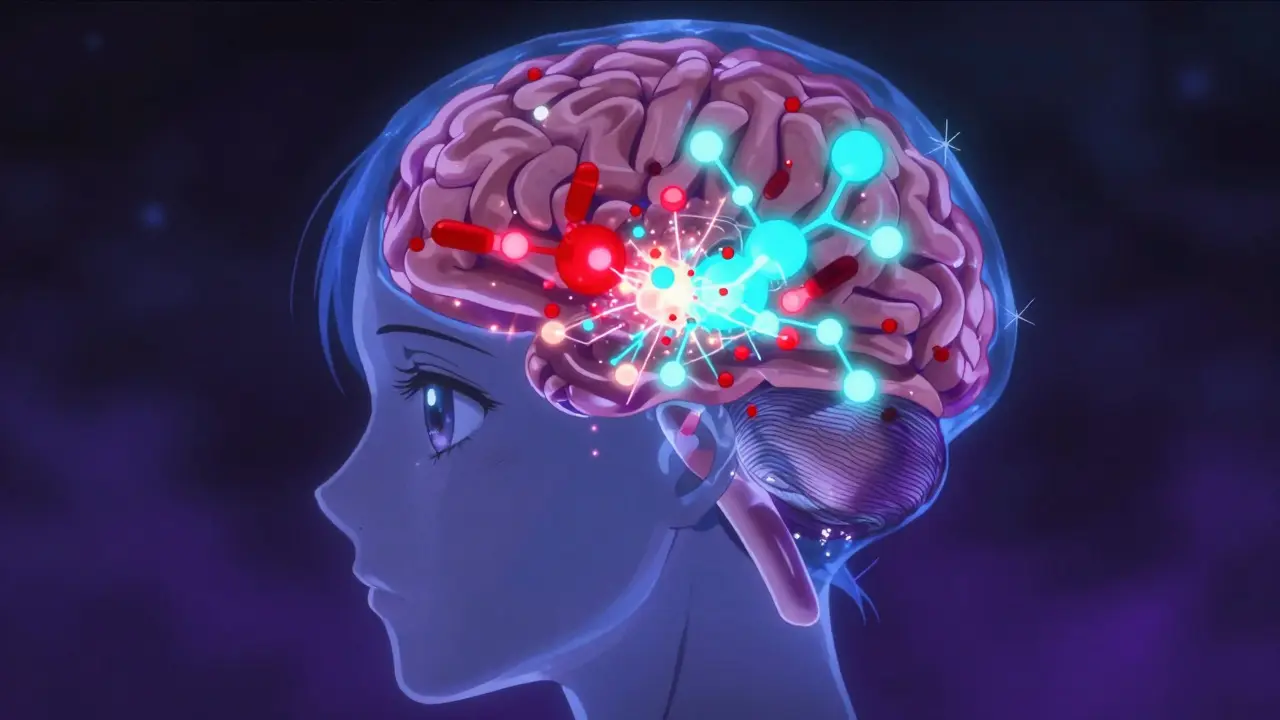
To understand the risk, you have to look at how these drugs hit your brain. Opioids, such as morphine or oxycodone, primarily target mu-opioid receptors in the brainstem. These receptors control your respiratory drive-basically the "autopilot" that tells you to breathe. Benzodiazepines, like alprazolam or lorazepam, work differently by enhancing GABA-A receptors, which dampen overall brain activity.
When you take them separately, your body can often handle the sedation. But when they are combined, they don't just add up; they multiply. This is called a synergistic effect. Not only does your brain forget to signal your lungs to breathe, but the muscles in your upper airway can relax too much, causing obstructive apneas. In simple terms, your throat can close up while your brain stops asking for oxygen. This is why a person might seem "fine" while awake but stop breathing entirely the moment they fall into a deep sleep.
The "Hidden" Chemical Interaction
It isn't just about how they affect your breathing; it's also about how your body processes them. Some opioids, including fentanyl and methadone, are broken down by an enzyme in the liver called CYP3A4. Certain benzodiazepines can block this enzyme from working.
If the enzyme is blocked, the opioid stays in your bloodstream much longer and reaches higher concentrations than your doctor intended. You aren't just taking the dose on the label; your body is reacting as if you took a much larger dose. This pharmacokinetic trap makes the risk of a fatal overdose even higher, even for people who have used opioids for years and think they have a high tolerance.
| Feature | Opioids | Benzodiazepines |
|---|---|---|
| Primary Target | Mu-opioid receptors | GABA-A receptors |
| Main Effect | Pain relief & sedation | Anxiety relief & muscle relaxation |
| Respiratory Impact | Depresses respiratory drive | Increases airway obstruction |
| Overdose Risk | High (Respiratory arrest) | Moderate (Lower on its own) |
Real-World Risks and Statistics
The numbers behind this interaction are sobering. Data from the CDC and the FDA show a worrying trend. Between 2004 and 2011, the rate of people being prescribed benzodiazepines alongside opioid pain relievers jumped by 41%. This surge in co-prescribing contributed to a spike in overdose deaths.
Recent findings suggest that roughly 16% of all opioid-related overdose deaths involve benzodiazepines. Even more alarming is that the risk of dying is three to eight times higher when these two classes are used together compared to using opioids alone. In some clinical cohorts, the death rate for combined users was 10 times higher. This isn't just a risk for people struggling with addiction; it affects elderly patients and those with chronic pain who are following doctor's orders but are caught in a dangerous drug-drug interaction.
Identifying the Signs of Overdose
Because both drugs cause sedation, it can be hard to tell if someone is just "sleepy" or if they are experiencing a life-threatening overdose. You need to look for the respiratory depression markers. If a person exhibits the following, it is a medical emergency:
- Breathing: Slow, shallow breaths or long gaps between breaths.
- Responsiveness: Cannot be woken up by shouting or a firm rub on the chest (sternum rub).
- Appearance: Blue or greyish tint to the lips and fingernails (cyanosis).
- Mental State: Extreme confusion, slurred speech, or pinpoint pupils.
Crucially, a person's blood oxygen levels can drop below 90% in a huge majority of combined-use cases, even if they aren't unconscious yet. This silent hypoxia can lead to permanent brain damage or cardiac arrest before the caregiver even realizes there is a problem.

Safe Clinical Management and Alternatives
Medical guidelines now strongly suggest avoiding this combination whenever possible. If a doctor decides that the benefits outweigh the risks-such as in hospice care for terminally ill patients-they follow strict safety protocols to keep the patient alive.
First, they use the lowest possible dose. If you are already on a benzodiazepine, a doctor will start you on a much lower dose of an opioid than they would for a regular patient, then slowly increase it while watching your breathing closely. Second, they avoid "long-acting" versions of both drugs, as these stay in the system longer and increase the chance of toxic accumulation.
For those already taking both, the most important rule is: do not quit cold turkey. Abruptly stopping opioids causes flu-like withdrawal, but stopping benzodiazepines can cause life-threatening seizures. Tapering must be done slowly and under a doctor's guidance to safely transition off the medications.
Can I take a low dose of both safely?
While some people do, any amount of both increases the risk of respiratory depression. The risk is not linear; a small increase in one drug can disproportionately increase the sedation caused by the other. This should only be done under strict medical supervision with a plan for monitoring.
What happens if I mix these drugs with alcohol?
Alcohol is another central nervous system (CNS) depressant. Adding alcohol to the mix creates a "triple threat" that exponentially increases the likelihood of your breathing stopping entirely. This is one of the most common causes of accidental fatal overdoses.
Does having a tolerance to opioids make this safer?
No. Tolerance to the respiratory-depressing effects of opioids does not mean you have a tolerance to benzodiazepines. The two drugs work on different pathways, so you can still suffer a fatal overdose even if you are a long-term opioid user.
What is the best alternative to this combination?
Depending on the condition, doctors may suggest non-opioid pain relievers, physical therapy, or non-benzodiazepine anxiety medications (like SSRIs) that do not suppress the respiratory system. Always discuss alternative therapeutic options with your provider.
Should I have Narcan (Naloxone) if I take these?
Yes. Naloxone can reverse the effects of opioids. While it does not reverse the effects of benzodiazepines, it can often wake a person up enough to restart their breathing during a combined overdose, providing critical time for emergency services to arrive.
Next Steps for Patients and Caregivers
If you are currently taking both an opioid and a benzodiazepine, don't panic, but do be proactive. Start by creating a full list of every medication and supplement you take and bring it to your next appointment. Ask your doctor, "Is there a safer alternative to this combination for my specific needs?"
For caregivers, keep a close eye on the patient during sleep. If you notice snoring-like sounds (which can actually be a sign of airway obstruction) or erratic breathing patterns, seek medical help immediately. Having a dose of Naloxone in the home and knowing how to use it is a vital safety net for anyone using these high-risk medications.




Comments (11)
Trey Kauffman
Ah, yes, the classic human pursuit of transcendence through chemistry, only to find out that the 'void' is actually just your lungs forgetting how to function. Truly a poetic end to a mediocre existence.
Ben hogan
It is honestly exhausting how the general public requires a simplified table to understand basic pharmacological synergy. The sheer banality of these "warnings" is almost as depressing as the respiratory failure itself, though I suppose one cannot expect a nuanced understanding of CYP3A4 from the masses who barely understand how to read a label. I find the entire presentation of this information dreadfully pedestrian, lacking any real intellectual rigor or depth that would satisfy anyone with a modicum of scientific curiosity, but I guess it serves as a colorful pamphlet for the intellectually stagnant.
Robin Walton
I totally see where you're coming from, but I think the simple layout actually helps people who are in a crisis or just scared find the info they need fast!
Kelly DeVries
literally just wild how some docs still do this like hello wake up people 💀 its actually scary when u think about it
Suchita Jain
It is profoundly irresponsible for patients to assume they can manage these potent substances without the most rigorous oversight from a qualified medical professional. One must question the discipline of those who do not maintain a meticulous medication log!
Simon Stockdale
my cousin tried to mix these once and almost went out like a light but thank god he had a buddy who knew what was up and called 911 before things got real bad because the way they push these pills in this country is just plain wrong and we need to start puting the real blame on the big pharma companies that dont care if we live or die as long as the money keeps flowin in the pockets of the elite!!
Franklin Anthony
funny how they tell us not to mix them but the pharma companies keep selling both in the same zip code just a little too convenient if you ask me keep your eyes open people
Ryan Hogg
I've spent years dealing with chronic pain and the anxiety that comes with it, and honestly, reading this just makes me feel like a ticking time bomb. I can't even sleep without wondering if my breathing is slowing down too much.
danny Gaming
totaly true this stuff is dangerous as hell and ppl just dont get it they think they have a tolrence and then boom game over lol
Danny Wilks
While the data presented is certainly alarming, it reflects a broader systemic failure in how we integrate pain management and psychological support within our current healthcare infrastructure, which often prioritizes rapid symptom suppression over long-term holistic stability.
Thabo Leshoro
This is a very serious CNS depression risk... the synergism is real... please... always have Naloxone nearby... it saves lives!!!