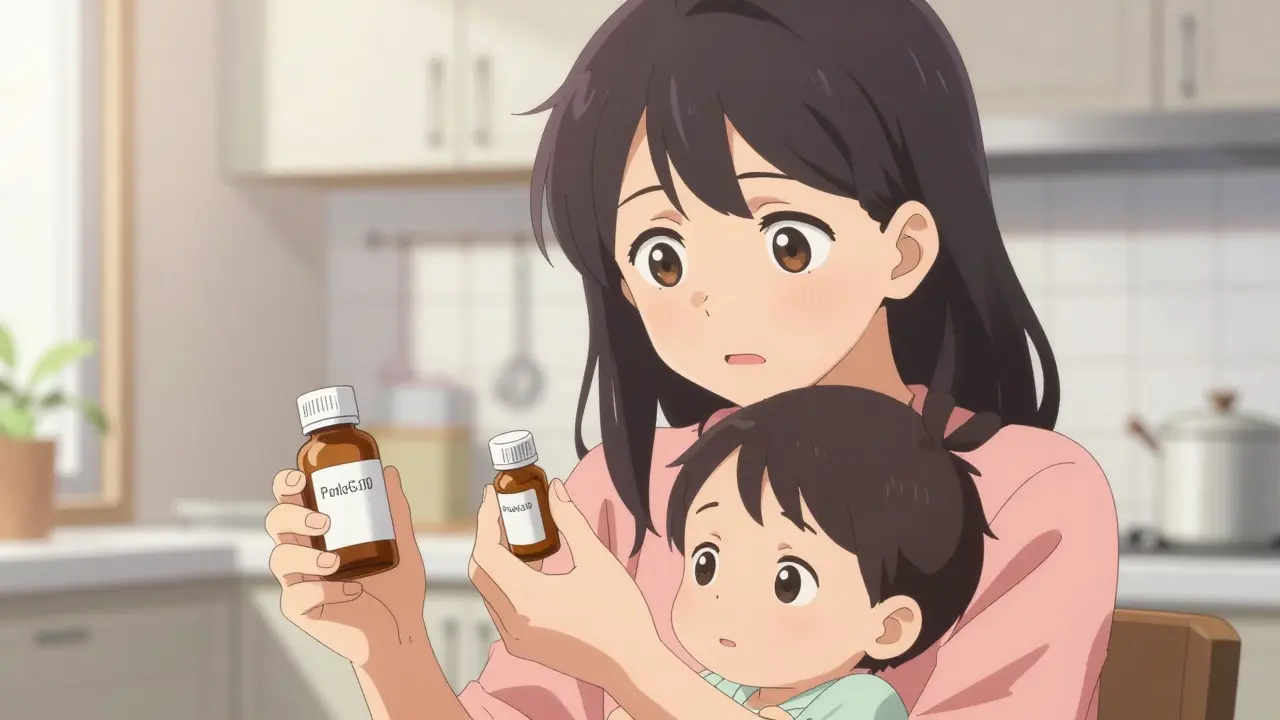
Giving a child medicine is stressful enough without wondering if the generic version is actually safe. Most of us assume that since the FDA says generics are "equivalent" to brand names, they're interchangeable. But children aren't just small adults. Their bodies process chemicals differently, and a tiny change in an inactive ingredient can lead to a big problem. In fact, a staggering 50% to 75% of drugs used in pediatric medicine haven't been studied enough to provide proper labeling for kids, leaving a dangerous gap in our safety net.
Why Generics Aren't Always "Plug and Play" for Kids
When you pick up a prescription, you might notice the pill is a different color or the liquid tastes different. While the active ingredient remains the same, the excipients (inactive ingredients like binders, fillers, and preservatives) can vary wildly between brands. For an adult, a different preservative is usually a non-issue. For a toddler, it can cause an allergic reaction or severe digestive upset.
Physiology is the biggest hurdle. Children under 2 years old have immature organ functions, meaning their livers and kidneys don't clear drugs the same way adults do. This makes them far more vulnerable to toxicity. For instance, Acetaminophen is processed differently in young children, who actually produce more glutathione, making them less susceptible to certain acute toxicities than adults. Conversely, some drugs are incredibly dangerous for kids even in generic form. Aspirin is a prime example; children under 19 must avoid it due to the risk of Reye's syndrome, a rare but fatal condition.
The Danger of Off-Label Use and Dosing Gaps
Did you know that about 40% of pediatric prescriptions are for off-label uses? This means the drug was approved for adults, but the doctor is using it for a child based on clinical experience rather than formal pediatric trials. When you add generics into the mix, the risk grows. Roughly 60% of generic drugs lack specific pediatric dosing information, compared to only 35% of brand-name versions.
This gap often leads to pediatric safety failures. Medication errors in children are up to three times more frequent than in adults. Many of these are simple math mistakes-unit conversion errors account for 25% of adverse drug events in kids. A decimal point in the wrong place can lead to a 10-fold overdose. This is why experts insist on the "zero rule": never place a zero after a whole number (writing "1" instead of "1.0") to avoid confusion during administration.
Red Flags: Drugs to Approach with Caution
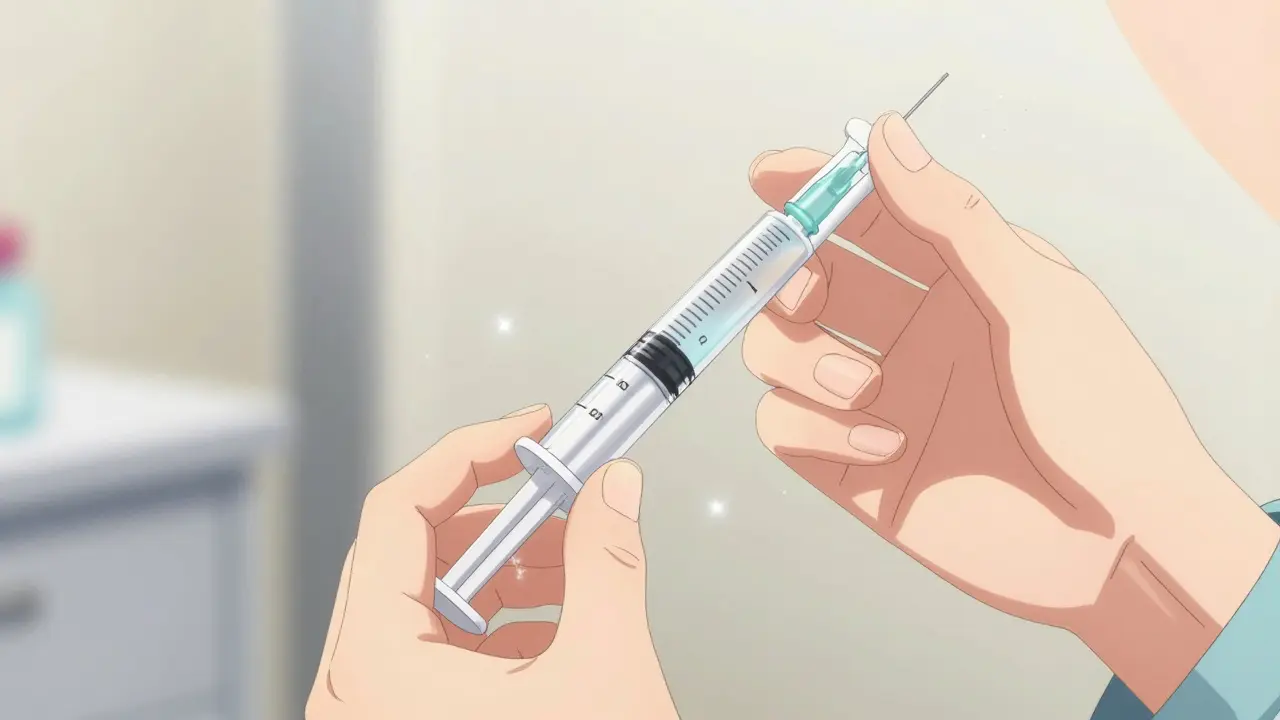
Not all generics carry the same risk. The KIDs List (Key Potentially Inappropriate Drugs List) identifies over 4,000 drugs with safety concerns. Some are flagged as "caution," while others are a hard "avoid." If your child is under 2, be especially wary of generic antihistamines like Promethazine, which can cause respiratory failure.
Topical medications can be just as tricky. Generic Benzocaine (often found in teething gels) should be avoided in children under 2 due to the risk of methemoglobinemia, a condition that reduces the blood's ability to carry oxygen. Similarly, high-potency generic corticosteroids used for diaper rash can cause systemic issues like Cushing syndrome and adrenal suppression because a child's thin skin absorbs the medication too efficiently.
| Drug/Class | Primary Risk | Age Concern | Recommendation |
|---|---|---|---|
| Promethazine | Respiratory Failure | < 2 years | Avoid |
| Benzocaine | Methemoglobinemia | < 2 years | Avoid (Oral) |
| Lamotrigine | Stevens-Johnson Syndrome | All children | High Caution |
| Verapamil | Cardiovascular Complications | Infants | High Caution |
Common Pitfalls in Home Administration
Parental feedback from communities like Reddit and parenting forums highlights a recurring theme: the "substitution shock." Many parents report that switching to a generic caused their child to refuse medicine due to a different taste or color, which ruins compliance. More seriously, some parents have documented allergic reactions to the preservatives found only in the generic version of drugs like cetirizine.
The way you measure the dose is just as important as the drug itself. Using a household spoon is a recipe for disaster. Switching to a dedicated oral syringe can reduce dosing errors by 50%. Liquid formulations are the most dangerous category, accounting for 37% of all pediatric medication errors.

Practical Safety Checklist for Parents and Caregivers
To keep your child safe, don't just trust the pharmacy's automatic substitution. Be proactive with these steps:
- Ask for the "Dispense as Written" option: If your doctor believes a brand-name version is medically necessary due to inactive ingredients, they can mark the prescription so the pharmacist cannot swap it for a generic.
- Verify the concentration: Ensure the generic liquid is the same strength (mg/mL) as the brand name. Different concentrations are a leading cause of overdose.
- Keep a Master List: Track every prescription, over-the-counter drug, and herbal supplement your child takes. Medication reconciliation prevents 78% of adverse events.
- Check the label for "Adult Only": Never use an adult formulation for a child; the concentrations are too high and the inactive ingredients may be toxic.
- Lighting matters: Always turn on the lights when measuring a dose. Guessing the line on a syringe in a dim room is a common mistake.
The Future of Pediatric Pharmacology
The landscape is changing. The FDA's 2024 requirements mean that by December 2025, generic manufacturers must include pediatric-specific dosing information whenever it's available. We're also seeing a rise in AI-driven dosing tools that can predict age-appropriate doses with nearly 89% accuracy, reducing the reliance on outdated adult-based calculations.
While these advancements are promising, the burden of safety still falls on the caregiver and the provider. The most effective way to reduce errors is through specialized training; healthcare providers who undergo pediatric-specific medication training see a 63% drop in errors. Until mandatory pediatric testing for all generics becomes the law, vigilance is your best tool.
Are all generic drugs safe for children?
Most are, but not all. While the active ingredient is the same, the inactive ingredients (excipients) can vary. Some children may react poorly to these fillers, and some generic formulations may not be suitable for infants due to immature organ function.
Why would a doctor insist on a brand-name drug over a generic?
Doctors may specify "Dispense as Written" if the generic version has inactive ingredients that could cause an allergic reaction, if the taste/color prevents the child from taking the medicine, or if the drug has a narrow therapeutic index where slight variations in absorption could be dangerous.
What is the KIDs List?
The KIDs List is a comprehensive resource developed by the Pediatric Pharmacy Association that identifies drugs with known safety concerns in children. It categorizes medications as "avoid" or "caution" based on evidence of potential harm.
How can I prevent dosing errors at home?
Always use an oral syringe instead of a kitchen spoon. Double-check the concentration (mg/mL) on the bottle and ensure you are measuring in a well-lit area. Always verify the dose with your pediatrician if you are unsure.
Which generic drugs are most dangerous for toddlers?
Generic promethazine (antihistamine) and benzocaine (topical anesthetic) are high-risk for children under 2. Promethazine can cause fatal respiratory failure, and benzocaine can lead to methemoglobinemia.