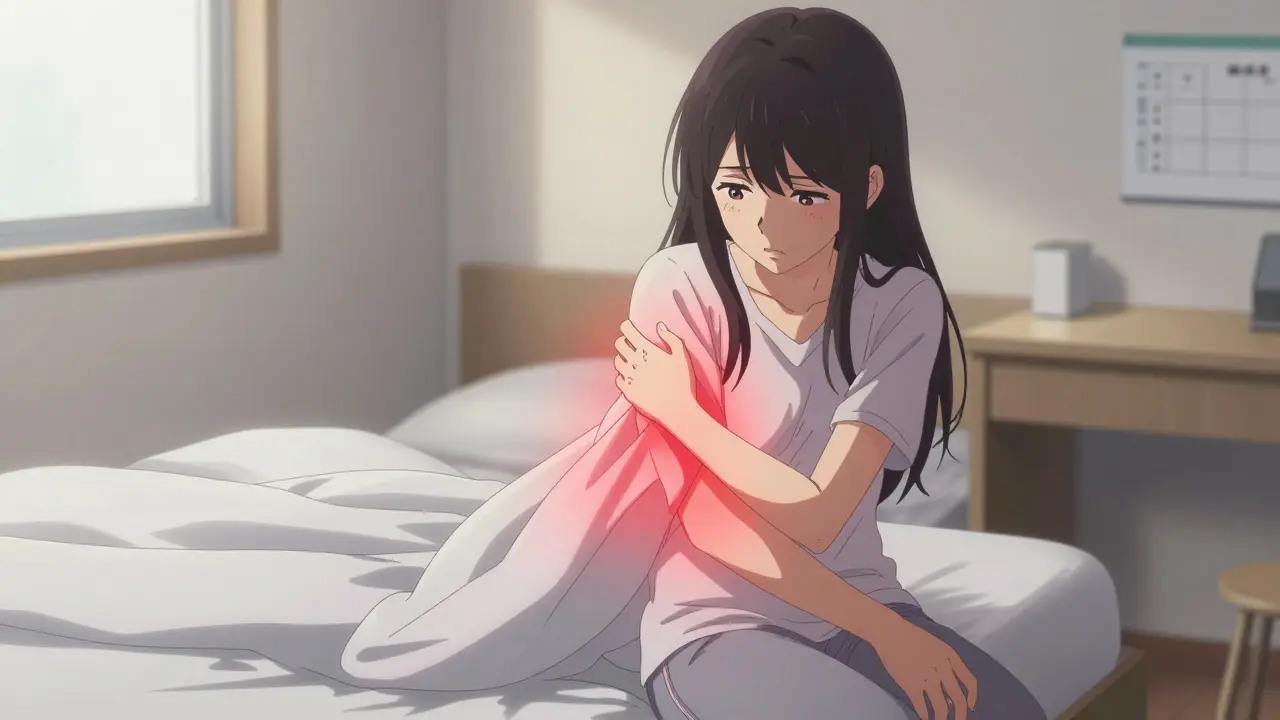
You have an injury that should have healed months ago. The scans are clear. The tissue is intact. Yet the pain remains, perhaps even worse than before. It’s not just in the injured spot anymore; it has spread. A light touch feels like a burn. This isn't "all in your head." It is a physiological reality known as central sensitization, which is a condition where the central nervous system becomes hyper-responsive to normal or subthreshold sensory input.
Imagine your body's alarm system. Normally, if you stub your toe, the alarm rings loudly to tell you to move away. Once the danger passes, the alarm turns off. In central sensitization, the alarm gets stuck on "high volume." Even when there is no threat, the signal screams. This phenomenon explains why millions of people suffer from chronic pain despite having no ongoing tissue damage.
How the Brain and Spinal Cord Rewire Themselves
To understand this, we need to look at how pain signals travel. When you get hurt, nerves in your skin send messages to your spinal cord, which then relays them to your brain. This is called peripheral nociception. Usually, this process is straightforward. But with repeated or persistent pain signals, something changes in the wiring of the spinal cord and brain.
This change was first described by Dr. Clifford J. Woolf in 1983. He identified a "wind-up" phenomenon in the dorsal horn neurons of the spinal cord. Essentially, these neurons become more excitable. They strengthen their synaptic connections and reduce their natural inhibition. Think of it like a volume knob on a stereo that someone has turned up so high that even a whisper sounds like a shout.
Several biological shifts drive this rewiring:
- Increased Excitability: Neurons fire more easily and for longer durations.
- Reduced Inhibition: The brain's natural pain-dampening systems (descending pathways) lose about 30-50% of their effectiveness.
- Neurochemical Changes: Pro-inflammatory cytokines increase by 30-50% in neural tissues, while mu-opioid receptor binding drops by 15-25%, making natural painkillers less effective.
The result is a central nervous system that amplifies incoming signals. You don't need a new injury to feel pain; the system itself generates the sensation.
Recognizing the Signs: It’s Not Just "More Pain"
Central sensitization presents differently than typical acute pain. If you have a sprained ankle, the pain stays around the ankle. With central sensitization, the pain often spreads beyond the original site. According to clinical data, 95% of diagnosed cases involve widespread pain affecting multiple body regions.
There are three hallmark symptoms that distinguish this condition:
- Allodynia: Feeling pain from stimuli that shouldn't hurt. For example, the weight of a bedsheet or a gentle hug might feel painful or burning. This affects 85-90% of patients.
- Hyperalgesia: An exaggerated response to painful stimuli. A pinch hurts significantly more than it should. This is present in 75-80% of cases.
- Temporal Summation: Also known as "wind-up," where repeated mild stimuli build up into intense pain over time.
If you find yourself sensitive to light, sound, or touch alongside your physical pain, this supports the diagnosis. About 68% of individuals report heightened sensitivity to environmental factors like bright lights or loud noises.

Who Gets Central Sensitization?
This mechanism is a key driver in several chronic conditions. It is most famously associated with fibromyalgia, where roughly 90% of patients demonstrate features of central sensitization. Fibromyalgia affects approximately 2-8% of adults worldwide.
However, it is not limited to one diagnosis. It plays a major role in:
- Chronic Low Back Pain: Found in 35-45% of cases that persist beyond three months.
- Migraines: Neurologists identify central sensitization in 55% of migraine cases.
- Post-Surgical Pain Syndromes: Occurring in 15-30% of surgical patients who continue to feel pain long after healing.
- Irritable Bowel Syndrome (IBS): Where visceral hypersensitivity mirrors somatic pain patterns.
It is important to note that central sensitization does not explain acute pain or pain with clear structural pathology, such as a broken bone. It specifically addresses pain that persists out of proportion to any visible tissue damage.
| Feature | Peripheral Nociceptive Pain | Central Sensitization |
|---|---|---|
| Pain Distribution | Anatomical (localized to injury) | Non-anatomical (widespread/spreading) |
| Duration | Resolves with healing (6-12 weeks) | Persists beyond healing (avg. 14+ months) |
| Intensity vs. Injury | Proportional | Disproportionate (e.g., 7.8/10 vs 4.2/10) |
| Response to Touch | Pain only at injury site | Allodynia (pain from light touch) |
| Primary Treatment | Anti-inflammatories, rest | Neuromodulators, exercise, education |
Diagnosing the Invisible
Diagnosing central sensitization can be frustrating. There is no single blood test or MRI scan that lights up to say "here it is." Instead, clinicians rely on clinical assessment and exclusion of other causes.
A standard assessment involves three steps:
- Identifying Disproportionate Patterns: Does the pain extend far beyond the initial injury? Is it present in areas that were never hurt?
- Quantitative Sensory Testing (QST): Clinicians may use tools to measure pain thresholds. People with central sensitization typically show 20-30% lower pain thresholds compared to healthy individuals.
- Evaluating Psychosocial Factors: Stress, anxiety, and sleep disturbances maintain the sensitization loop. These are present in 70-80% of cases.
Newer research is looking at biomarkers. For instance, PET imaging shows reduced mu-opioid receptor binding, and cerebrospinal fluid tests reveal elevated substance P levels (increased by 25-30%). However, these are currently used mostly in research settings rather than routine clinical practice.

Treating the Amplified Signal
The good news is that central sensitization is reversible. As Dr. Joel Bialosky noted, once the peripheral input is managed and the central system is retrained, the "volume" can be turned down. Treatment requires a multimodal approach because pills alone rarely fix the wiring problem.
Pharmacological Interventions
Medications aim to calm the overactive neurons. Common options include:
- Gabapentinoids (e.g., Pregabalin/Lyrica): Doses of 150-300mg daily can provide 30-50% pain reduction for about 55% of patients.
- SNRIs (e.g., Duloxetine/Cymbalta): At 60mg daily, these help regulate serotonin and norepinephrine, reducing pain in 45% of cases.
- Low-Dose Naltrexone (LDN): Taking 4.5mg nightly has shown 25-35% improvement in 40% of fibromyalgia patients by modulating glial cell activity.
Side effects like dizziness or sedation are common, leading to discontinuation in 35-45% of users. Starting low and going slow is crucial.
Non-Pharmacological Strategies
Medication manages symptoms, but behavior change retrains the brain.
- Pain Neuroscience Education (PNE): Understanding that your pain is real but not dangerous reduces fear. Studies show PNE lowers pain catastrophization scores by 20-30%.
- Graded Exercise Therapy: Moving gently and consistently is vital. Progressing activity by only 10% weekly prevents flare-ups while building tolerance. This leads to 25-40% functional improvement.
- Mindfulness-Based Stress Reduction (MBSR): An 8-week program can improve pain interference scores by 25% by changing how the brain processes distress.
Living with Central Sensitization
The impact on daily life is profound. Beyond physical pain, 87% of individuals report "brain fog," affecting memory and focus. Sleep disturbances occur in 76% of patients, creating a vicious cycle where poor sleep lowers pain thresholds further.
Validation is a critical part of the journey. Many patients spend years seeing multiple doctors-averaging 4-6 physicians over 2-5 years-before getting a proper explanation. Hearing "it's all in your head" is a common and damaging experience. Remember: central sensitization is a biological malfunction of the nervous system, not a psychological weakness.
As research advances, with NIH funding increasing by 50% between 2018 and 2023, we are moving toward more targeted treatments. Within the next decade, experts predict that central sensitization will be recognized as the primary mechanism in 30-40% of chronic pain cases, shifting the focus from "fixing the tissue" to "calming the network."
Is central sensitization permanent?
No, central sensitization is generally considered reversible. While it represents significant neurobiological changes, the nervous system retains plasticity. With consistent treatment involving medication, graded exercise, and pain education, the amplified signals can be dampened, and pain levels can decrease significantly over time.
What is the difference between neuropathic pain and central sensitization?
Neuropathic pain results from direct damage to the peripheral nerves (like sciatica or diabetic neuropathy) and often follows specific dermatomal patterns. Central sensitization involves the central nervous system (brain and spinal cord) becoming hypersensitive. It causes widespread pain, allodynia, and affects multiple body regions rather than following a single nerve path.
Can stress cause central sensitization?
Stress does not directly cause central sensitization on its own, but it is a powerful maintaining factor. Chronic stress elevates cortisol and sympathetic nervous system activity, which can exacerbate neuronal excitability. Managing stress through mindfulness and therapy is a key component of breaking the sensitization cycle.
Why do I feel pain from light touch (allodynia)?
Allodynia occurs because the neurons in your spinal cord have become so sensitive that they misinterpret non-painful signals (like light touch) as painful. This is due to the loss of inhibitory controls and increased excitability in the dorsal horn, causing the brain to perceive harmless stimuli as threats.
What exercises are safe for central sensitization?
High-intensity workouts often trigger flare-ups. Graded exercise therapy is recommended, starting with very low-impact activities like walking, swimming, or gentle yoga. The key is progression: increase intensity or duration by no more than 10% per week to avoid overwhelming the sensitized nervous system.





Comments (13)
rebecca torres
read the part about wind-up phenomenon. sounds like my back after sitting too long but way worse
Sherry Wheeler
Oh my gosh, this is exactly what I needed to read today! It feels so validating to finally have a name for why my pain spreads even when the initial injury is healed. The analogy of the alarm system stuck on high volume is just *perfect* and helps explain so much of the frustration I feel when doctors say everything looks fine.
I really appreciate how you emphasized that this isn't 'all in our heads.' That stigma has been such a heavy burden to carry for years, feeling like we're making it up or being dramatic. Knowing there are actual biological shifts happening in the spinal cord and brain gives me hope that there is a path forward. The section on Pain Neuroscience Education resonates deeply with me because understanding the mechanism really does lower the fear response.
We have to keep pushing for more awareness around central sensitization because so many people suffer in silence, thinking they are broken. Your writing style is incredibly supportive and clear, breaking down complex neurobiology into something we can actually grasp. Thank you for shedding light on this invisible struggle!
Aditya Singh
The neuroplasticity aspect here is fascinating from a clinical perspective. The reduction in mu-opioid receptor binding by 15-25% explains why traditional analgesics often fail in these cohorts. We see similar patterns in chronic neuropathic pain management where descending inhibitory pathways are compromised. It is crucial to highlight that graded exercise therapy must be strictly adhered to the 10% progression rule to avoid triggering further sensitization loops. The data on LDN modulating glial cell activity is particularly promising for fibromyalgia subsets.
Erin Livengood
This article paints such a vivid picture of the internal chaos that is central sensitization. It’s like living inside a house where every creak of the floorboards sounds like a thunderclap. The concept of allodynia-where a gentle hug or bedsheet feels like burning-is profoundly isolating, yet knowing it affects 85-90% of patients makes me feel less alone in this peculiar reality.
I love the idea of 'retraining' the brain rather than just masking symptoms. It suggests agency and possibility, which are rare commodities in chronic pain circles. The mention of mindfulness-based stress reduction changing how the brain processes distress is key; it’s not about ignoring pain but altering its emotional weight. This piece is a beacon of clarity in a foggy landscape.
Daniella Renzon
Thanks for sharing this. It’s nice to see someone explaining it without the usual medical jargon overload. I’ve been dealing with widespread pain for years and always felt dismissed. Reading that 95% of cases involve widespread pain really hits home. Just taking it one day at a time now.
Cecilia McGuinness
so true abt the validation part. i spent yrs seeing docs who told me it was stress. glad u mentioned ldn cuz that helped me tons. low dose naltrexone is life changing fr
Talilla Bailey
It is imperative that we address the systemic failure in diagnosing central sensitization. The statistic regarding patients averaging 4-6 physicians over 2-5 years before receiving an explanation is unacceptable. This delay perpetuates suffering and exacerbates the condition through prolonged stress and sleep disturbance. Furthermore, the reliance on exclusionary diagnosis rather than definitive biomarkers in routine practice hinders timely intervention. We must advocate for standardized protocols incorporating Quantitative Sensory Testing (QST) to reduce diagnostic ambiguity. The current approach is inefficient and detrimental to patient outcomes.
shreya sinha
While the article attempts to provide a comprehensive overview of central sensitization, it somewhat glosses over the profound ethical implications of a healthcare system that routinely dismisses subjective pain reports as psychological constructs until structural damage is evident. One must consider the moral failing inherent in a model that requires patients to endure years of misdiagnosis and invalidation, thereby compounding their physiological distress with significant psychosocial trauma. The emphasis on self-management strategies, while beneficial, should not absolve medical institutions of their responsibility to develop more robust diagnostic criteria that respect the lived experiences of those suffering from invisible illnesses, as the current paradigm perpetuates a cycle of neglect and suffering that is both unjust and medically unsound.
Lee Coates
Another article blaming everything on your 'nervous system' rewiring. Sounds like typical US healthcare trying to sell you more pills instead of fixing the root cause. Maybe if we focused on real health instead of this pseudo-science nonsense, people wouldn't be in pain. :P
Miranda River
lol yeah right. its all in ur head. i mean obviously. nobody believes this bs about neurons firing wrong. just take some ibuprofen and toughen up. the whole concept of 'central sensitization' is just a fancy term for being weak. also ur spelling is bad if u r reading this. anyway, great article if u like wasting time on internet theories instead of real medicine. whatever.
Brandon Brodsky
Oh, wow. Another groundbreaking discovery that pain exists. Truly mind-blowing stuff. I’m sure Dr. Woolf is rolling in his grave from excitement. Can we please stop acting like this is new information? It’s not rocket science, folks. If your back hurts, it’s probably because you’re old or fat, not because your 'volume knob' is turned up. But sure, let’s keep pretending it’s a mysterious neurological puzzle that needs a PhD to solve. Groundbreaking.
Ganesh Honikol
It is truly heartening to witness such a detailed exposition on the mechanisms of central sensitization, as it provides a crucial framework for understanding the elusive nature of chronic pain conditions that defy conventional structural diagnostics. The elucidation of the 'wind-up' phenomenon described by Dr. Clifford J. Woolf serves as a pivotal reminder of the dynamic plasticity inherent within our neural architecture, demonstrating that pain is not merely a passive signal but an active process subject to modulation through targeted interventions. By recognizing the distinct hallmarks of allodynia and hyperalgesia, clinicians can move beyond symptomatic treatment towards a more holistic approach that addresses the underlying neurobiological alterations, thereby offering genuine hope and relief to those who have long been marginalized by a medical system ill-equipped to handle non-visible pathologies. Let us continue to advocate for greater research funding and educational initiatives to ensure that every individual suffering from these amplified signals receives the validation and care they rightfully deserve. :)
Brett Webster
Great breakdown of the mechanisms. I’d add that for those starting graded exercise, consistency beats intensity every time. Many patients try to push through the flare-up phase, which reinforces the sensitization. Stick to the 10% rule mentioned. Also, don’t underestimate the power of pacing your daily activities, not just workouts. Breaking tasks into smaller chunks with rest breaks can prevent the temporal summation effect during normal daily life. It’s about training the nervous system to trust that movement is safe again.